
Revolutionary Education Strategies for 2026: Expert Insights to Transform Learning
The Importance of Education in Today’s Society
Education serves as a cornerstone of modern society, encapsulating the values of freedom, equality, and justice. As an essential vehicle for personal and societal development, it has the power to elevate individuals from one socio-economic status to another, fostering a more equitable world. The quest for education not only develops critical thinking skills but also cultivates informed citizens, capable of making significant contributions to their communities. When exploring options, education provides comprehensive insights into this transformative process.
Understanding Education’s Role in Promoting Equality
Education plays a vital role in promoting social equality by providing all individuals, regardless of their background, access to knowledge and skills that can improve their life chances. It helps dismantle systemic barriers that often impede disadvantaged communities, enabling them to participate fully in societal growth. In this context, education is not just a privilege but a fundamental human right. It empowers individuals with the tools necessary to advocate for themselves and others, creating a ripple effect that benefits society as a whole.
Current Trends in Educational Reform
As we move further into the 21st century, educational systems across the globe are undergoing significant reforms aimed at addressing the persistent inequities in access, quality, and outcomes. These reforms often focus on personalized learning, student-centered approaches, and the integration of technology. The push for more inclusive curricula that reflect diverse cultures and histories also marks a significant trend, ensuring that all students see themselves represented in their education, which fosters a greater sense of belonging and engagement.
The Impact of Technology on Learning
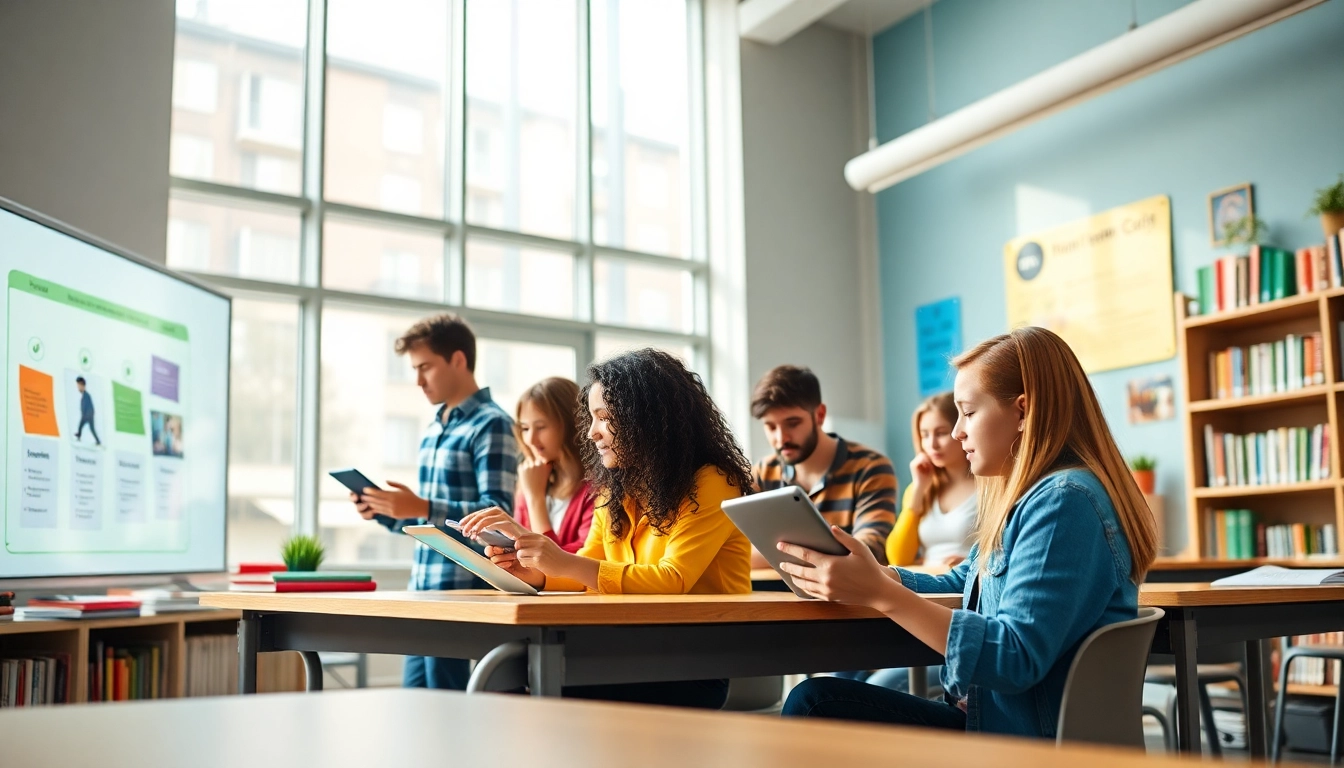
The integration of technology in education has changed the dynamics of teaching and learning. From online learning platforms to classroom-based technological tools, educators are finding innovative ways to enhance the educational experience. Technologies like artificial intelligence and adaptive learning systems are now capable of personalizing education, catering to each student’s unique learning style and pace. Furthermore, access to a wealth of information through the internet has transformed traditional education, making learning more accessible than ever before.
Innovative Techniques in Education
Flipped Classrooms: A New Approach to Learning
The flipped classroom model represents a significant shift in pedagogical practices. By reversing the traditional learning environment—where students receive direct instruction outside of the classroom and engage in hands-on activities during class time—this approach fosters greater student engagement. It allows educators to spend more time facilitating discussions and providing support, while students take ownership of their learning, promoting critical thinking and collaboration skills.
Project-Based Learning as a Creative Strategy
Project-based learning (PBL) immerses students in real-world problems, fostering critical thinking and collaboration. This hands-on approach encourages students to engage with content deeply and to develop transferable skills such as problem-solving and communication. By working on meaningful projects, students not only learn content but also gain experience working collectively towards a common goal, preparing them for future challenges in a collaborative workforce.
Utilizing Gamification to Enhance Engagement
Gamification incorporates game mechanics into educational settings to increase student motivation and engagement. By introducing elements such as points, levels, and rewards, educators can create a dynamic learning environment that encourages participation. This approach taps into students’ intrinsic motivations, making the learning experience enjoyable and interactive. Research has shown that gamified learning experiences can lead to improved retention and deeper understanding of material.
Challenges in Implementing Educational Reforms
Resistance to Change: Overcoming Traditional Mindsets
One of the most significant barriers to educational reform is the resistance to change from educators, administrators, and policymakers. Long-standing traditions and practices can create inertia, making it challenging to introduce new methodologies and technologies. To overcome this resistance, it is crucial to foster a culture of innovation within educational institutions, encouraging a mindset that values experimentation and continuous improvement.
Funding and Resource Allocation Issues
Effective educational reform often requires substantial investment in resources such as personnel, training, and technology. However, many educational systems struggle with budget constraints and inequitable resource distribution. Advocacy for increased funding and informed resource allocation strategies is essential to ensure that all students have access to quality education and the tools they need to succeed.
Addressing the Digital Divide in Education
The digital divide remains a critical challenge in today’s educational landscape, as unequal access to technology and the internet can exacerbate existing inequalities. Students in underfunded schools or low-income areas often lack the necessary resources to participate fully in a technology-driven curriculum. Addressing this divide is vital to ensure that all students have equal opportunities to benefit from modern educational practices.
Measuring Success in Educational Practices
Key Performance Indicators for Educational Outcomes
To evaluate the effectiveness of educational reforms, it is essential to establish key performance indicators (KPIs) that provide measurable insights into student achievement, engagement, and overall satisfaction. These indicators should consider both quantitative data, such as test scores and graduation rates, and qualitative data, such as student and teacher feedback.
Feedback Mechanisms for Continuous Improvement
Implementing robust feedback mechanisms allows educators to assess the impact of their teaching strategies and make necessary adjustments. Regular surveys, assessments, and performance reviews can provide valuable insights into what works and what needs improvement. This process of continuous feedback is essential for creating a responsive educational environment that prioritizes student needs and learning outcomes.
Case Studies of Successful Educational Innovations
Analyzing case studies from schools and districts that have successfully implemented innovative educational practices can offer valuable lessons for others. For example, schools that have adopted project-based learning or gamification can serve as models for how these approaches can lead to improved student engagement and performance. By disseminating these success stories, educators can inspire broader adoption of effective strategies across the educational landscape.
Future Trends in Education: What to Expect by 2026
Emerging Technologies Shaping Education
As we look toward the future, several emerging technologies are poised to revolutionize education further. Artificial intelligence will likely play a significant role in personalizing learning experiences, while virtual and augmented reality technologies can create immersive learning environments that enhance understanding and retention of complex concepts. Additionally, the use of big data analytics in education can help tailor instruction to meet individual student needs.
Global Movements Towards Inclusive Learning Environments
There is a growing global movement towards inclusivity in education, emphasizing the need for learning environments that accommodate diverse learners, including those with disabilities. By adopting universal design principles and differentiated instruction strategies, educators can create spaces where all students can thrive. This shift is essential for promoting equity and ensuring that every student has the opportunity to succeed.
Preparing Students for a Changing Workforce
The ever-evolving job market necessitates that educational systems prepare students for careers that may not even exist yet. Skills such as critical thinking, adaptability, and technology literacy will be paramount as students enter a future workforce characterized by rapid change. Schools must focus on equipping students with these competencies to ensure they are prepared for the challenges ahead.