
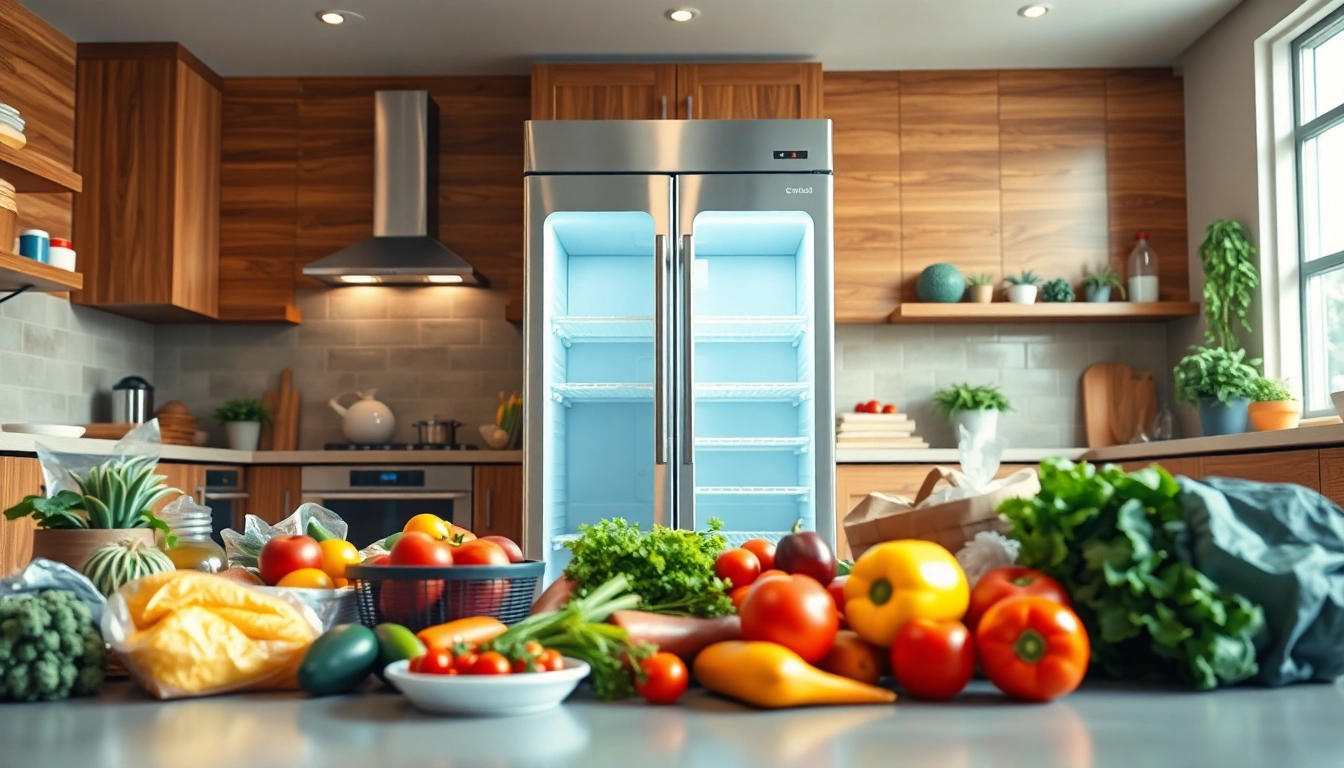
Maximize Efficiency with Your Freezer: Tips and Best Practices
Understanding the Importance of Your Freezer
What Is a Freezer and How Does It Work?
A Freezer is a vital appliance in every modern kitchen, designed for preserving food at sub-zero temperatures. Typically, they maintain a temperature of 0°F (-18°C) or lower. The mechanical process starts with a refrigerant that absorbs heat from inside the freezer and expels it outside, using a compressor. This cycle allows for the efficient freezing and long-term storage of various food items, preventing spoilage and extending their lifespan.
Benefits of Using a Freezer for Food Storage
Utilizing a freezer is crucial for several reasons. One primary benefit is food preservation. Freezing drastically slows the growth of bacteria, yeasts, and molds, thus helping retain nutritional value and flavor. Additionally, a freezer allows you to buy food in bulk, reducing grocery costs and minimizing trips to the store.
Freezers also provide flexibility, giving users the ability to prepare meals in advance and store leftovers for later consumption. This is not just practical in individual households but also incredibly beneficial for families looking to save time and reduce food waste.
Common Freezer Types Explained
Freezers come in various shapes and sizes, catering to different storage needs. The most common types include:
- Chest Freezers: Ideal for bulk storage, these freezers provide ample space and tend to be more energy efficient.
- Upright Freezers: These are easier to organize, with shelves and compartments making access simple. Their vertical design occupies less floor space.
- Compact Freezers: Perfect for small apartments or dorms, these units offer limited storage while being budget-friendly and portable.
- Built-in Freezers: These are integrated into cabinetry for a seamless kitchen design, often used in custom kitchens.
Choosing the Right Freezer for Your Needs
Key Features to Look for in a Freezer
When selecting a freezer, several features should be considered:
- Capacity: Assess how much food storage you need based on your household size and shopping habits.
- Energy Efficiency: Look for models with the ENERGY STAR label, as they reduce energy consumption and costs.
- Temperature Control: A reliable temperature control system ensures that food stays frozen consistently.
- Defrosting Options: Manual vs. automatic defrosting can influence maintenance ease and efficiency.
- Storage Configuration: Removable shelves and bins can help in organizing various food items effectively.
Comparing Different Freezer Models
Comparing freezer models includes analyzing specifications, prices, and customer reviews. Ensure that you evaluate the initial cost along with potential maintenance and operating expenses. Real-world user feedback can provide insights into performance, reliability, and user satisfaction.
Energy Efficiency Ratings: What You Need to Know
Understanding energy efficiency ratings is critical when choosing a freezer. The ENERGY STAR rating signifies that the appliance meets strict efficiency guidelines set by the U.S. Environmental Protection Agency. An energy-efficient freezer can save you money on utility bills while being environmentally friendly.
Creative Ways to Organize Your Freezer
Effective Freezer Organization Techniques
Organizing your freezer is paramount for efficient food storage. Begin by designating areas for different food types, such as meats, vegetables, and ready meals. Utilizing labeled bins can significantly enhance organization, making it easier to find items quickly.
Labeling and Inventory for Easy Access
Implement a labeling system to track items and their freezing dates. Consider keeping an inventory list attached to the freezer’s door so you can easily monitor what’s inside and what needs to be used soon to avoid spoilage.
Storing Different Food Types in Your Freezer
Each type of food has specific storage needs. Meats should be wrapped tightly in moisture-proof packaging, while fruits and vegetables may require blanching before freezing to preserve their quality. Prepared meals should be portioned in airtight containers to prevent freezer burn. Understanding these nuances helps maintain food quality longer.
Maximizing the Lifespan of Your Freezer
Regular Maintenance Tips to Extend Usability
Regular maintenance of your freezer is essential for ensuring longevity and optimal performance. Clean the interior and exterior surfaces regularly, and pay attention to the condenser coils; dust can accumulate here, affecting efficiency. Ensure the door seals tightly to maintain consistent internal temperatures.
Common Issues and How to Troubleshoot
Sometimes, freezers may present issues like inconsistent temperatures or excessive frost buildup. If the temperature fluctuates, check the thermostat settings and inspect for obstructions in air circulation. For frost buildup, consider defrosting the unit entirely to restore its function. Keep an eye on the noise levels, as abnormal sounds can indicate mechanical issues.
When to Replace or Upgrade Your Freezer
Knowing when to replace your freezer is crucial. If your unit frequently requires repairs, struggles to maintain temperature, or even shows signs of significant wear, it might be time for an upgrade. Additionally, consider replacing it if it lacks modern features, especially if you aim for energy efficiency.
Frequently Asked Questions About Freezers
How long can food be stored in a freezer?
Most foods can be safely stored in a freezer for 6 to 12 months, depending on the type.
What are the best practices for thawing frozen food?
The best methods include refrigeration overnight, using the microwave, or cold water for quicker thawing.
How can I reduce energy consumption of my freezer?
Keep the freezer full, limit opening the door frequently, and ensure proper sealing to enhance efficiency.
What foods should not be stored in the freezer?
Avoid freezing fragile items like lettuce, dairy, or eggs in shells as they may spoil or change texture.
How do I know if my freezer is at the right temperature?
Use an appliance thermometer to check that the temperature is at or below 0°F (-18°C) for optimal food safety.