
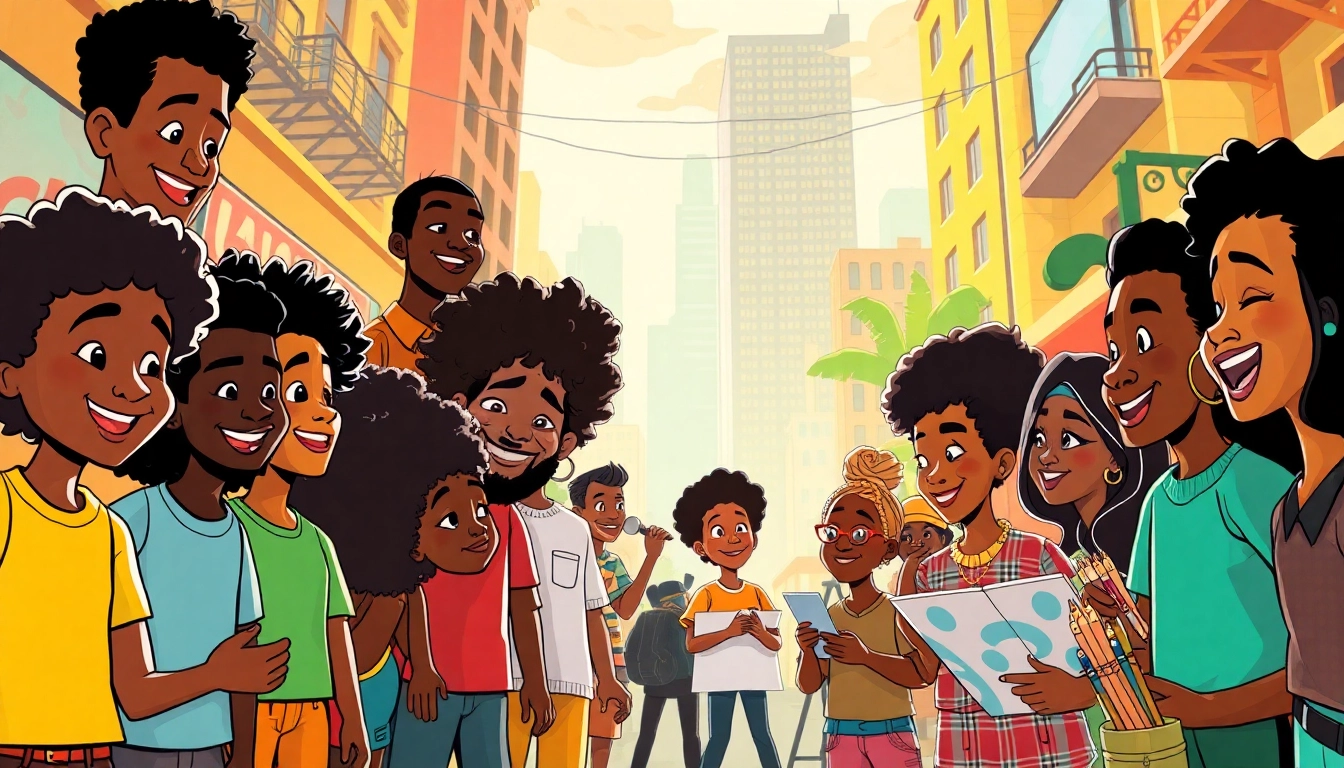
Essential African American Cartoons: Celebrate Diversity in Animation 2026
Understanding African American Cartoons
The world of animation has long served as a powerful medium for storytelling, cultural representation, and entertainment. Within this vast landscape, African American cartoons have carved a unique niche, offering insights into their rich history and cultural significance. These animated shows reflect the diverse experiences, struggles, and triumphs of the African American community, making them essential viewing for audiences of all ages. When exploring options, African American Cartoons showcase a wealth of creativity and representation that resonates deeply with viewers. This article dives into the historical context, thematic elements, and popular characters that define these animated gems.
The Historical Context of African American Animation
The journey of African American animation is a testament to resilience and innovation. From the early days of animation in the 1920s to modern productions, the representation of Black characters has evolved significantly. The groundbreaking short film “Bebe’s Kids,” released in 1992, was one of the first feature films to center on African American characters, paving the way for many others that followed. Notably, shows like “Fat Albert and the Cosby Kids” in the 1970s and “The Boondocks” in the early 2000s provided platforms for African American voices, addressing social issues with humor and insight.
Moreover, the work of pioneering animators like Floyd Norman, the first Black animator at Disney, and the creators of series like “The Proud Family” have helped to break down racial barriers. These early efforts laid the groundwork for the diverse animation landscape we witness today and highlighted the importance of representation in children’s programming.
Key Themes and Messages in African American Cartoons
African American cartoons often tackle themes of identity, community, and resilience. They reflect the cultural heritage of the African American experience and offer narratives that challenge stereotypes and promote understanding. Shows like “The Proud Family” celebrate family ties and friendships while also addressing social justice issues, such as racism and inequality. Similarly, “The Boondocks” engages with political commentary, critiquing societal norms and encouraging critical discussions about race and culture.
Additionally, cartoons like “Doc McStuffins” have expanded the landscape by introducing characters that children can relate to, helping young viewers see themselves reflected in diverse roles. Overall, these themes not only entertain but also educate, cultivating a sense of pride and awareness among audiences.
Popular Characters and Their Impact
The impact of characters from African American cartoons extends far beyond the screen. Iconic figures such as Huey and Riley Freeman from “The Boondocks,” who challenge societal norms, have become cultural touchstones, prompting conversations about race and identity. Characters like Penny Proud and her family from “The Proud Family” serve as relatable role models for young audiences, showcasing the everyday lives and challenges faced by African American families.
Moreover, the influence of these characters is visible in merchandise, social media, and even adaptations into different media formats. They resonate not just with African American viewers but also with a broader audience, opening doors for discussions about representation in media.
Top African American Cartoons to Watch
Must-See Animated Series for All Ages
As the animation industry continues to grow, several African American cartoons stand out as must-see series for audiences of all ages. Here are some of the most notable titles:
- The Proud Family: This beloved series explores the dynamics of a modern African American family while addressing various social issues.
- The Boondocks: A satirical look at African American culture, this show uses humor to comment on societal challenges.
- Doc McStuffins: Featuring a young African American girl who aspires to be a doctor, this series promotes diversity while addressing themes of health and empathy.
- Afro Samurai: A visually stunning series with a unique blend of action and culture, Afro Samurai has garnered a dedicated fanbase for its story and animation style.
- Craig of the Creek: This contemporary series showcases a diverse group of friends exploring their neighborhood, emphasizing friendship and adventure.
Classic African American Cartoons Worth Revisiting
While new titles continue to emerge, classic African American cartoons also deserve recognition. Revisiting these shows can provide nostalgia while highlighting their historical significance:
- Fat Albert and the Cosby Kids: A classic that not only entertained but also educated about friendship and community.
- Hey Arnold: Featuring a diverse cast and poignant social issues, this series remains relevant and beloved by fans.
- Static Shock: Combining superhero action with real-world issues like racism and poverty, it was groundbreaking for its time.
- The Jacksons: An American Dream: An animated retelling of the iconic family’s journey, showcasing their impact on music and culture.
Innovative New Titles in 2026
As we look to the future, new animated series are emerging that continue to push boundaries and expand representation:
- Young, Fly & Free: A show that follows the adventures of three friends as they navigate the challenges of adolescence while celebrating their culture.
- Motown Magic: This series introduces children to the world of Motown music while incorporating vibrant animation and storytelling.
- Black Panther: World of Wakanda: Tying into the Marvel universe, this animated series explores the rich culture of Wakanda and its heroes.
The Role of African American Cartoons in Media Representation
Addressing Stereotypes and Cultural Misrepresentation
African American cartoons play a crucial role in debunking stereotypes and providing accurate representations of Black culture. Historically, media has often portrayed African Americans through a limited and negative lens. However, cartoons like “The Boondocks” and “The Proud Family” actively challenge these portrayals by presenting multidimensional characters and stories that reflect the truth of the African American experience.
This shift in representation allows for greater understanding among viewers of diverse backgrounds and contributes to a more inclusive media landscape.
Impact on Children’s Understanding of Diversity
Representation matters, especially in children’s programming, where early interactions with diverse characters shape perspectives and understanding. African American cartoons provide a framework for young audiences to learn about different cultures and experiences, fostering empathy and acceptance from an early age.
By engaging with stories that reflect various backgrounds, children develop a broader worldview, promoting inclusivity and understanding as they grow. Shows featuring characters from diverse cultures encourage kids to embrace differences and appreciate the richness they bring to society.
Voices Behind Iconic Characters
The voices behind these characters greatly contribute to their authenticity and relatability. Renowned voice actors such as Phil LaMarr, Loretta Devine, and Reginald VelJohnson have brought life to many beloved characters, lending their talent to portray the nuances of African American culture effectively. Additionally, the involvement of writers and directors from the African American community ensures that the narratives resonate with authenticity and depth.
Creating Your Own Animated Content
Resources for Aspiring Animators
If you are an aspiring animator looking to create content that reflects African American culture, several resources can help guide you:
- Animation Courses: Online platforms like Coursera and MasterClass offer courses in animation techniques and storytelling.
- Networking Events: Attend animation festivals and workshops to connect with industry professionals and like-minded creators.
- Online Communities: Joining forums and social media groups dedicated to animation can provide support and feedback as you develop your projects.
Techniques for Illustrating African American Culture
When creating animated content that represents African American culture, consider these techniques:
- Research Cultural Elements: Understand the historical and contemporary influences that shape African American experiences.
- Feature Authentic Narratives: Focus on stories that resonate with the community and reflect their values and beliefs.
- Diverse Character Design: Ensure that characters are visually authentic and represent a wide range of identities within the African American community.
Funding and Support for Diverse Animation Projects
Securing funding for animation projects can be challenging, but various organizations and grants are dedicated to supporting diverse voices in animation:
- The Sundance Institute: Offers funding and resources for filmmakers, including animators focusing on underrepresented narratives.
- Women in Animation: Provides scholarships and mentorship programs for women and people of color in the animation industry.
- Artistic Grants: Explore local and national grants aimed at supporting arts and media projects that promote diversity.
Future Trends in African American Animation
Technological Advances in Animation Styles
As technology continues to evolve, the animation industry is embracing new styles and techniques that enhance storytelling. Innovations in 3D animation, virtual reality, and interactive content offer exciting possibilities for African American narratives. Future projects may blend various animation techniques to create immersive experiences that captivate audiences and elevate representation.
Emerging Voices in the Animation Industry
The animation industry is seeing a rise in emerging voices, particularly from young Black creators. Platforms like YouTube and TikTok provide opportunities for aspiring animators to showcase their work, gaining recognition and paving the way for future projects. Collaborations between seasoned professionals and new talent will likely lead to fresh ideas and innovative storytelling.
Predictions for African American Cartoons in 2026 and Beyond
As we move forward, the demand for authentic representation in media will continue to grow. African American cartoons are expected to expand in diversity, not only in character representation but also in the stories told. Programming that addresses contemporary issues—such as social justice, mental health, and environmental concerns—will likely be at the forefront of future animated series.
In conclusion, African American cartoons are not only a source of entertainment but also a vital part of cultural representation and education. They offer insights into the African American experience, challenge stereotypes, and provide a platform for diverse voices in the animation industry. As new narratives emerge and technology advances, the future of African American animation promises to be vibrant, diverse, and impactful.