
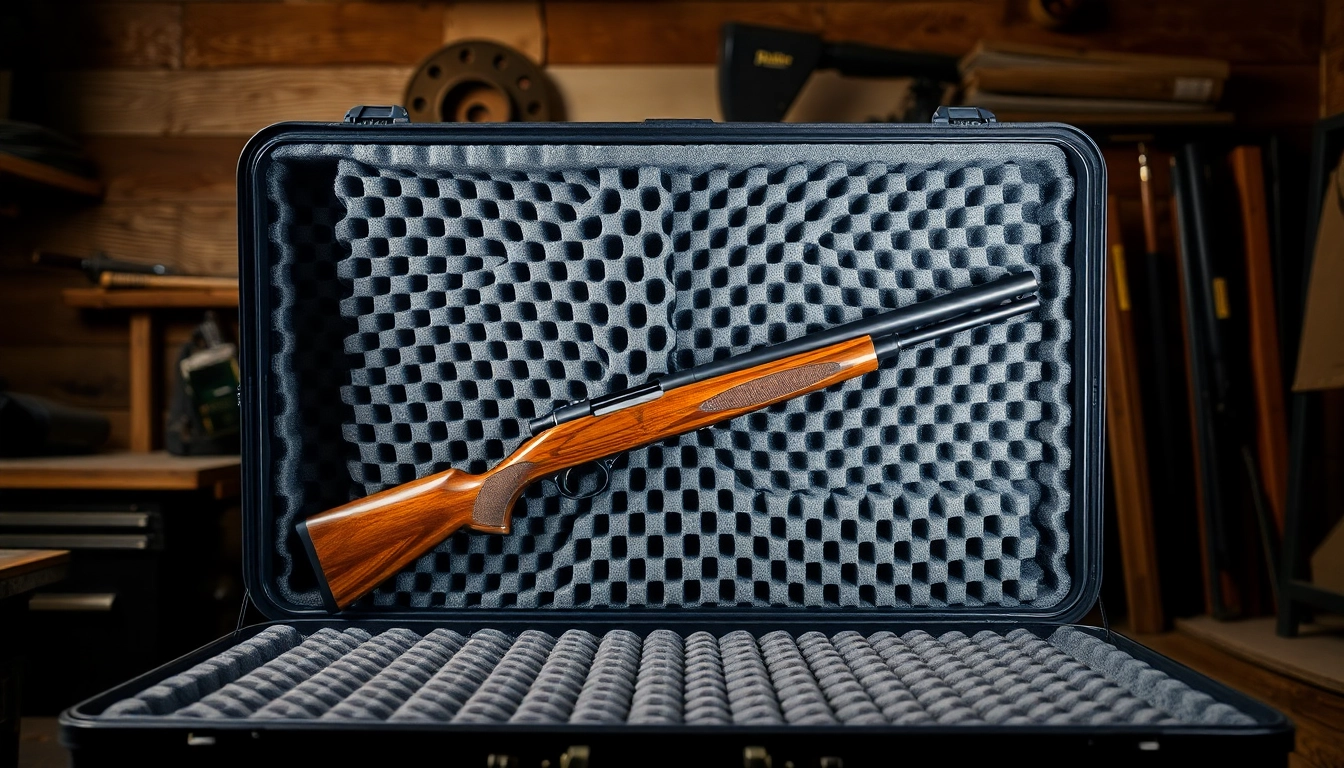
Choosing the Right Foam for Rifle Case: Protection and Customization
Understanding Foam for Rifle Case
What is Foam for Rifle Case?
Foam for rifle case is a specialized insert designed to protect firearms during transport and storage. These foams are typically custom-cut to fit specific rifle models snugly, thus providing a cushioning effect against shocks and impacts. A well-fitted foam insert cradles the weapon, preventing unnecessary movement within the case and safeguarding it from scratches and damage. This material not only serves practical functions but also enhances the overall organization, allowing for additional compartments for accessories.
Importance of Choosing Quality Foam
Quality foam is crucial when selecting inserts for rifle cases. It serves multiple purposes, including impact resistance, durability, and overall firearm protection. High-quality foams maintain their structural integrity better than lower-grade options, ensuring that they continue to provide protection over time. Investing in premium foam materials can prove significant over the long haul, as it helps to preserve the functionality and aesthetic condition of your firearm. Additionally, a reputable foam type resists wear and tear, further minimizing the need for frequent replacements.
Types of Foam for Rifle Cases
Rifle case foams come in various types, each catering to different needs. The most common types include:
- Polyurethane Foam: Known for its cushioning properties and versatility, polyurethane foam can be easily shaped and molded to fit various rifle models.
- Pick and Pluck Foam: This foam comes in a grid format, allowing users to remove blocks to customize the interior layout according to their firearm’s specifications.
- EVA Foam: Ethylene-vinyl acetate foam is a durable option that’s resistant to temperature changes and impacts, making it useful for extreme conditions.
- Closed Cell Foam: This type prevents moisture absorption, thus protecting firearms from potential weather-related damage during transport.
Benefits of Custom Fit Foam for Rifle Case
Enhanced Protection for Your Firearms
Custom fit foam offers unmatched protection for rifles by providing a tailored fit. This means that each curve and contour of your firearm is accounted for, reducing the likelihood of movement and potential damage. Because any shift could lead to impacts that scratch or dent the weapon, custom foam ensures that every inch of the rifle is supported. As a result, firearms are less susceptible to external pressures during travel, whether through air transport, road trips, or simple storage.
Noise Reduction and Impact Absorption
Another essential benefit of custom foam is its ability to absorb impact and reduce noise. When firearms jostle within a case, they can create distracting sounds, which is especially vital in hunting scenarios or environments where discretion is key. High-quality foam dampens these noises, ensuring that the firearm remains discreet when transported. Additionally, breathable materials can further enhance comfort during travel by evenly distributing weight and stress points on the rifle.
Customization Options for Optimal Fit
Custom fit foams provide extensive customization options that cater to individual needs. Users may choose to have additional compartments for magazines, scopes, or other accessories to optimize organization. Various thicknesses and density levels allow gun owners to modify the foam’s attributes according to their projected uses. This allows for the option to incorporate extra padding or to create room for more specialized equipment—an essential factor for serious shooters and collectors alike.
How to Select Foam for Your Rifle Case
Measuring Your Firearms for Optimal Fit
To select the right foam for rifle case, accurate measurements are crucial. Begin by carefully measuring the length, height, and width of your firearm, ensuring to account for any mounted accessories like scopes or bipods. Recording these specifications helps to choose foam that can comfortably accommodate all elements without being overly tight or loose, both scenarios which could compromise safety.
Comparing Different Foam Types and Densities
Once measurements are taken, the next step is to compare different types of foam based on their properties. Evaluate density, cell structure, and how well each option conforms to your rifle’s dimensions. For example, denser foams may offer better impact absorption but can be heavier, while lighter options may sacrifice some protective qualities for portability. Trial and error through samples might also help ascertain what foam feels best for your specific needs.
Determining Your Budget for Foam Options
Your budget will also play a significant role in selecting foam inserts. While premium materials provide better protection and durability, there are also affordable options that still offer decent support. Determine how often you’ll be using your case and the significance of protection versus cost. Sometimes, a higher initial investment is worthwhile for quality and longevity, particularly for avid firearm collectors and users.
Installation and Maintenance of Foam for Rifle Case
Best Practices for Installing Foam Inserts
When installing foam inserts in your rifle case, follow specific best practices to ensure a proper fit. Start by laying the foam inserts in their designated spots without adhesive to fine-tune the layout. If you’re using protective liners, secure those first, followed by the foam. It’s best to ensure everything fits perfectly before permanently affixing the foam in place, as a secure fit will directly contribute to the protection of your firearms.
Cleaning and Maintaining Foam Quality
Maintaining foam quality is essential to preserving its protective capabilities. Regular cleaning is necessary to remove dust, dirt, and contaminants that can degrade the foam material. Use a gentle soap solution and a microfiber cloth for thorough yet delicate cleaning without damaging the foam. Avoid soaking the foam and allow it to air dry completely before re-installing it in the case. Proper care extends the lifespan of your foam and ensures optimal functionality throughout its use.
Replacing Foam: When and How to Do It
Over time, foam inserts may wear out and require replacement. Signs that it’s time for a replacement include visible tears, increased difficulty in maintaining the structure, and noticeable compression. When replacing, consider upgrading to enhance protection or improve organization further. To replace, carefully remove the old foam, ensuring no residue affects the protective lining of the case. Follow the same procedures for measurement and adjustment as when initially installing the foam inserts.
FAQs About Foam for Rifle Case
What is the best type of foam for rifle cases?
The best type often depends on personal preference. Polyurethane and pick and pluck foams are popular for their cushioning and customization capabilities.
Can I customize foam inserts for specific firearms?
Yes, many foam types allow for customization. Pick and pluck options are particularly user-friendly for achieving a tailored fit.
How do I clean and maintain my foam inserts?
Use a mild soap solution and a microfiber cloth. Avoid soaking and air dry thoroughly before reinstalling the foam.
What is the lifespan of foam in rifle cases?
The lifespan can vary widely based on usage and quality, but typically, good-quality foams can last several years with proper care.
Is dense foam better for protecting firearms?
Dense foam generally offers better impact resistance but may be heavier. Finding the right balance between density and weight is key for transport.