
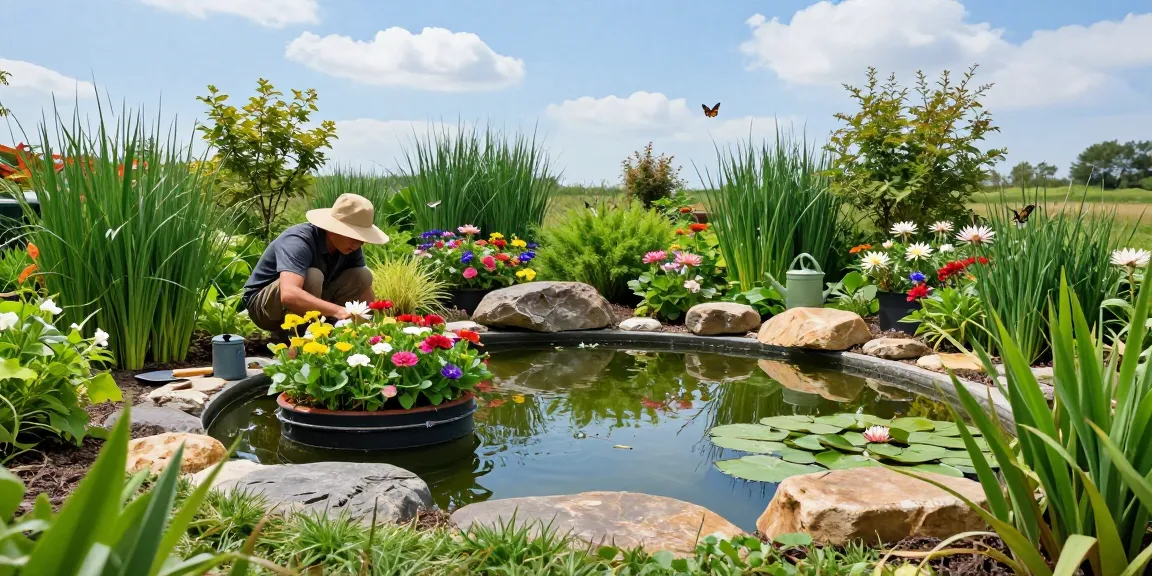
A Sustainable Buy Marginal Pond Plants Approach for Garden Enthusiasts
The Importance of Marginal Pond Plants for Ecosystem Health
Marginal pond plants play a crucial role in creating and maintaining a healthy ecosystem. These plants, which typically grow in the shallow water at the edges of ponds, not only enhance the aesthetic appeal of your garden but also provide essential benefits for wildlife and water quality. If you’re considering enhancing your pond with these valuable plants, you may want to Buy Marginal Pond Plants that fit your garden’s needs and environment.
What Are Marginal Pond Plants?
Marginal pond plants are species that thrive in the shallow water around the edges of ponds, lakes, and other aquatic ecosystems. These plants grow in water that is typically no deeper than 12 inches (30 cm) and can include a variety of species such as rushes, sedges, and water lilies. They are adapted to fluctuating water levels and play a significant role in stabilizing the pond’s ecosystem by improving water quality and providing habitats for various forms of wildlife.
Benefits of Marginal Pond Plants for Wildlife
These plants are vital for supporting biodiversity in and around your pond. Here are some key benefits:
- Habitat Creation: Marginal plants provide shelter and nesting places for amphibians, fish, and birds.
- Food Source: Many species depend on the seeds and foliage of marginal plants for food, promoting a thriving ecosystem.
- Water Quality Improvement: They absorb excess nutrients and help filter pollutants, contributing to clearer and healthier water.
- Soil Stabilization: Their root systems help to prevent soil erosion along the pond’s edges, maintaining the integrity of your landscape.
Understanding Water Levels and Plant Growth
The growth of marginal pond plants is intimately linked to water levels. These plants have varying tolerances for submerged conditions, so understanding the specific needs of each species is crucial for their successful growth. For instance, some species can endure periods of drought, while others thrive in consistently wet conditions. Observing and understanding your pond’s water levels will aid in selecting the best plants suited for your environment.
Choosing the Right Marginal Pond Plants for Your Garden
When it comes to enhancing your pond’s ecosystem, choosing the right marginal plants is essential. Factors such as climate, soil type, and the specific hydrology of your pond must be considered. Many gardeners find success by selecting a combination of native and non-native species that flourish in their local conditions.
Native vs. Non-Native Species: What to Choose?
Opting for native species is generally beneficial for your pond’s health. Native plants are adapted to the local climate and soil, require less maintenance, and are typically more resilient against pests and diseases. Non-native species, while often visually appealing, can sometimes become invasive, disrupting the local ecosystem. It’s crucial to perform research on the plants you are considering and consult local guides that highlight native aquatic species.
Top Marginal Plants for Different Pond Conditions
Different marginal plants thrive in varying conditions. Here’s a selection of popular marginal plants based on their suitability:
- For Wet Conditions: Cattails (Typha spp.), Water Plantain (Alisma spp.)
- For Drier Conditions: Flag Iris (Iris pseudacorus), Marsh Marigold (Caltha palustris)
- For Shade: Japanese Iris (Iris ensata), Pickerel Rush (Pontederia cordata)
Understanding the Growth Requirements for Marginal Plants
Each marginal plant species has specific growth requirements regarding sunlight, water depth, and soil type. Researching these requirements will lead to better planting outcomes. Generally, many marginal plants prefer full sun to partial shade, along with rich, loamy soil that retains moisture. Understanding these variables will help you cultivate a thriving pond.
Planting and Maintaining Your Marginal Pond Plants
Successfully planting and maintaining marginal pond plants is essential for achieving a vibrant pond ecosystem. Following best practices will ensure these plants thrive and contribute positively to the pond environment.
Best Practices for Planting Techniques
When planting marginal pond plants, follow these best practices:
- Timing: Plant during the growing season (spring to early summer) for optimal growth.
- Preparation: Clear the planting area of weeds and debris, and loosen the soil to facilitate root growth.
- Planting Depth: Ensure the plants are placed at the correct water depth for their specific needs.
Water Quality Management for Healthy Growth
Maintaining excellent water quality is crucial for the health of your marginal plants. Regularly testing the pH, nutrient levels, and clarity of your pond water will help ensure the plants receive the necessary conditions for growth. Implementing a mix of biological filters and aquatic plants can also contribute to maintaining balanced water quality.
Common Pests and Diseases to Watch Out For
Be aware of common pests and diseases that can affect the health of your marginal plants. Aphids, mealybugs, and various mold forms can threaten plant health. Regular inspections, combined with organic pest management techniques, will help keep your pond plants healthy and thriving.
Creating a Beautiful Marginal Pond Landscape
Beyond their ecological benefits, marginal pond plants can enhance the visual appeal of your garden. Strategic design can create a stunning aquatic landscape.
Design Tips for an Attractive Pond Edge
In designing your marginal pond landscape, consider the following tips:
- Layering: Use a variety of plant heights to create depth and interest.
- Color Palette: Select plants that provide seasonal color variations for year-round beauty.
- Naturalistic Arrangements: Plant in clusters and drifts rather than straight lines for a more natural look.
How to Combine Marginal Plants with Other Aquatic Plants
Combining marginal plants with submerged and floating plants can create a well-balanced ecosystem. For instance, pairing marginal plants with water lilies or submerged oxygenators will help maintain water quality and provide diverse habitats for wildlife. Always choose plants that complement each other in terms of care requirements and growth patterns.
Seasonal Care for a Vibrant Pond Ecosystem
Seasonal changes require specific care for your pond plants. In spring, ensure new growth is supported, while summer may require regular maintenance such as cutting back overgrown plants. During autumn, focus on removing debris, while winter may call for protective measures against harsh weather conditions.
Future Trends in Aquatic Gardening
The field of aquatic gardening is evolving, with new trends shaping how we approach pond ecosystems. By staying informed about these trends, you can enhance your gardening practices.
Innovative Approaches to Sustainable Pond Management
Sustainability is a significant focus in modern gardening. Techniques such as using native plants, creating natural filtration systems, and recycling rainwater for pond maintenance are becoming more popular. These methods not only support the environment but also create a lasting legacy for future generations of gardeners.
Technology in Aquatic Plant Care
Technology is playing an increasingly critical role in aquatic gardening. From apps that assist in plant identification to advanced water monitoring systems, gardeners have more tools at their disposal than ever before. These innovations can help manage pond health efficiently and effectively.
Predictions for Marginal Plant Varieties in 2026
As we head towards 2026, it is likely that we will see the introduction of new plant varieties and hybrids that are more resilient to climate fluctuations. Varieties that require less maintenance and are more ‘pest’ resistant will likely dominate the marketplace, catering to the increasing demand for sustainable gardening practices.
What are the best marginal plants for a pond?
The best marginal plants for a pond typically include a mix of native species such as Cattails, Water Lilies, and Pickerel Rush, as they provide excellent habitat and water filtration.
How do I maintain the health of my pond plants?
Maintaining pond plants involves regular water quality testing, appropriate seasonal pruning, and monitoring for pests and diseases to ensure a thriving ecosystem.
Are there specific plants that attract wildlife?
Yes, certain plants like Yellow Flag Iris and Marsh Marigolds can attract wildlife, providing food and habitat for birds, insects, and amphibians.
What factors should I consider when planting?
When planting, consider water level, sunlight availability, soil type, and the specific growth needs of each plant species for optimal success.
How can I create a sustainable pond ecosystem?
Creating a sustainable pond ecosystem involves using native plants, maintaining water quality, and integrating natural filtration systems to support wildlife and plant health.