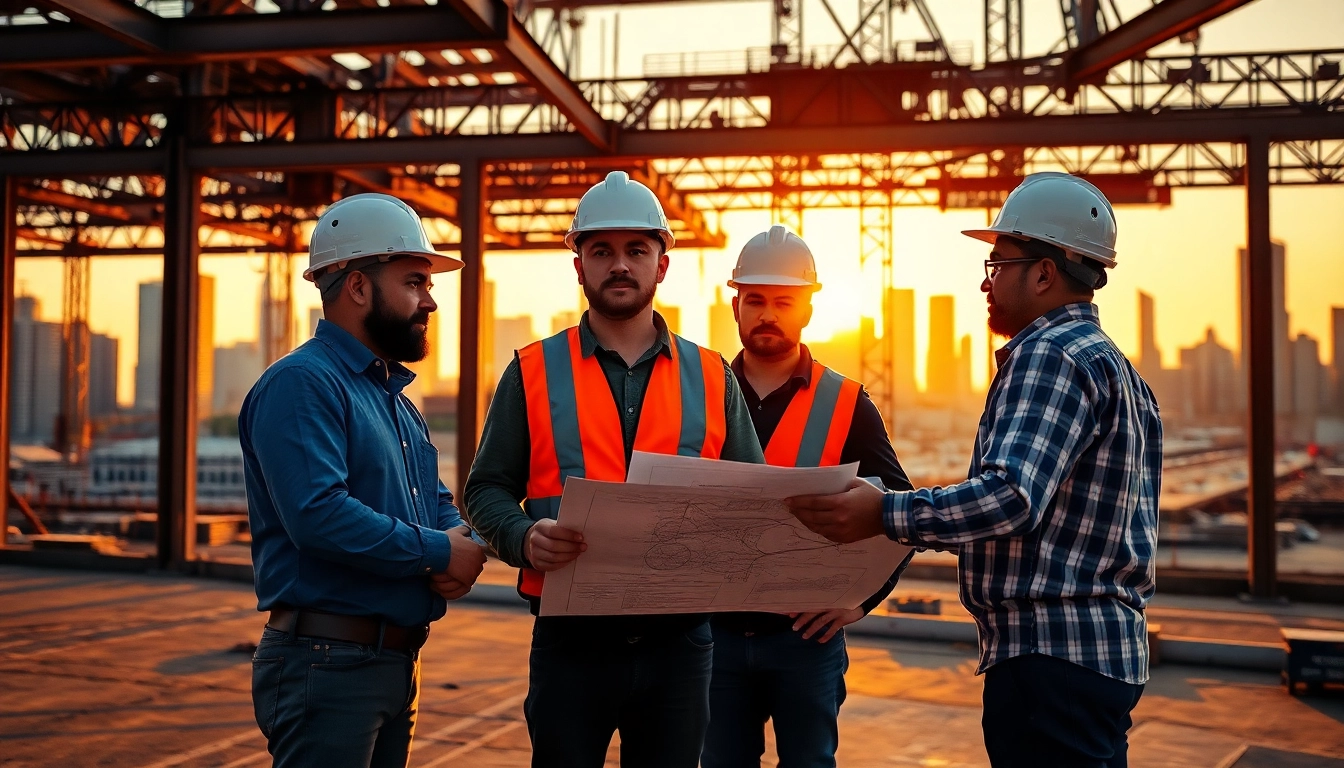
Understanding the Role of a New York Commercial General Contractor
What Defines a Commercial General Contractor?
A commercial general contractor plays a pivotal role in the construction landscape, particularly in a bustling city like New York. These professionals coordinate and manage various aspects of construction projects, ensuring that everything runs smoothly from inception to completion. Unlike residential contractors, commercial general contractors focus primarily on commercial properties, which can include office buildings, retail spaces, healthcare facilities, and more. They serve as the main point of contact for all parties involved in a project, which can range from architects and engineers to subcontractors and suppliers.
Key Responsibilities and Services Offered
The responsibilities of a commercial general contractor are extensive and varied. Initial duties typically involve project planning and estimation, where they assess costs, timeframes, and resources needed for the project. From there, they manage construction schedules, oversee subcontractors, ensure compliance with building codes and safety regulations, and handle communications between stakeholders. Some specific services include:
- Project management and oversight
- Budget planning and cost estimation
- Site supervision
- Contract negotiation and management
- Quality control and safety oversight
Understanding these responsibilities is crucial for businesses looking to engage a New York Commercial General Contractor for their construction needs.
The Importance of Licensing and Insurance
Licensing and insurance are not merely bureaucratic formalities; they serve as critical protections for both the contractor and the client. In New York, general contractors must be appropriately licensed to operate legally. This licensing demonstrates compliance with local laws, regulations, and standards, providing clients with confidence in the contractor's qualifications. Additionally, proper insurance protects against potential financial losses due to accidents, damages, or unforeseen events that can occur during construction. Therefore, it is essential to verify that any commercial general contractor possesses the necessary licenses and insurance before entering into any agreements.
Benefits of Hiring a New York Commercial General Contractor
Streamlined Project Management
One of the significant benefits of hiring a commercial general contractor is the streamlining of project management processes. With a single point of accountability, businesses can avoid the complications that often arise from managing multiple subcontractors and vendors independently. The contractor takes on the responsibility of coordinating the various moving parts, ensuring that everything stays on schedule and within budget. This efficiency not only saves time but also reduces stress on the business owner, allowing them to focus on their core operations while the contractor manages the construction process.
Access to Skilled Labor and Resources
Commercial general contractors have established networks of skilled labor and reliable resources essential for the successful completion of construction projects. This access ensures that businesses receive the best possible workmanship and materials for their projects. Moreover, these contractors can leverage their industry connections to negotiate better pricing on materials and services, which can lead to significant cost savings for the client. With a New York Commercial General Contractor, clients can be more confident that they are getting the most skilled labor for their specific project needs.
Cost Efficiency through Expert Procurement
Procurement is an integral aspect of construction projects. A knowledgeable commercial general contractor can manage procurement processes with expertise, utilizing their industry insights to select cost-effective suppliers and materials without sacrificing quality. This expertise can lead to substantial savings, as experienced contractors know where to find the best deals and which suppliers provide the most reliable service. In the long run, this can significantly reduce the overall project cost, making it a wise investment for businesses.
Choosing the Right New York Commercial General Contractor for Your Project
Essential Qualities to Look For
When selecting a commercial general contractor, it is vital to look for certain key qualities that indicate a reliable and competent partner. These qualities include:
- Experience: Look for contractors with a proven track record in similar projects. Experience in dealing with the complexities of New York construction is particularly advantageous.
- Reputation: Research the contractor's reputation within the industry. Positive reviews and testimonials can provide insight into their work ethic and reliability.
- Communication Skills: Effective communication is crucial for successful project completion. The contractor should be able to articulate their plans clearly and respond to client inquiries promptly.
- Transparency: A trustworthy contractor should be open about their processes, pricing, and any potential issues that could arise during the project.
Reviewing Past Projects and Client Testimonials
Before making a final decision, it is advisable to review a contractor’s portfolio of past projects. This can provide a clear picture of their capabilities and style. Additionally, seeking feedback from previous clients can be invaluable. Testimonials often highlight the contractor's strengths and weaknesses and can indicate how they handle challenges during a project. A reputable contractor should be eager to provide references and showcase their previous work, reflecting their commitment to quality and client satisfaction.
The Role of Communication and Collaboration
Effective communication and collaboration between the contractor and the client are essential components of any successful construction project. A good commercial general contractor will prioritize regular updates and be available to address any questions or concerns throughout the project. This two-way communication fosters a collaborative environment where feedback is welcomed and addressed, leading to better outcomes. Moreover, establishing clear lines of communication from the outset can mitigate many potential issues related to misunderstandings or mismanagement during the construction phase.
Common Challenges Faced by New York Commercial General Contractors
Navigating Regulatory Changes and Compliance
One of the most significant challenges faced by commercial general contractors in New York is keeping up with the constantly evolving building codes and regulations. Changes in legislation can impact everything from safety standards to environmental considerations. A knowledgeable contractor must continuously monitor these changes to ensure compliance throughout the project. Failure to adhere to updated regulations can lead to costly delays, fines, and rework, so it is crucial to partner with a contractor who proactively stays informed about the latest developments in construction law.
Addressing Budget Constraints and Time Management
Construction projects can be notoriously unpredictable, with budget overruns and time delays being common. Effective time and budget management are essential for mitigating these issues. A skilled commercial general contractor will employ strategic planning techniques and utilize project management tools to track progress and expenditures. Regular budget reviews and timeline assessments allow for timely interventions if the project begins to veer off course. Such proactive measures can save both time and money, ensuring that the project remains on budget and on schedule.
Dealing with Supply Chain Disruptions
The construction industry is currently facing various supply chain disruptions, impacting the availability and price of materials essential for construction. A competent commercial general contractor must have contingency plans in place for such disruptions. This can involve establishing relationships with multiple suppliers to ensure resource availability or finding alternative materials that meet client specifications without compromising quality. Flexibility and forward-thinking are crucial attributes for contractors navigating the complexities of today's supply chain landscape.
Future Trends in New York Commercial General Contracting
Embracing Sustainable Building Practices
Sustainability is becoming a top priority within the construction sector. New York is leading the charge towards greener building practices, with contractors increasingly adopting sustainable materials and energy-efficient designs. Utilizing environmentally friendly practices not only benefits the planet but can also lead to cost savings for businesses in the long run through reduced energy costs. Future-focused contractors will prioritize sustainability in their processes, helping clients meet their environmental goals while also adhering to new regulations regarding sustainable building practices.
Incorporating Technology in Construction Processes
The integration of technology in construction processes is transforming the industry landscape. Technologies such as Building Information Modeling (BIM), drones for site inspections, and project management software improve efficiency and accuracy in construction. A forward-thinking commercial general contractor will leverage these technologies to streamline operations, enhance collaboration, and reduce errors. As technology continues to evolve, contractors who embrace these advancements will be at the forefront of the industry, offering enhanced services to their clients.
Adapting to Changing Market Demands
As market demands shift, particularly in response to economic fluctuations and consumer trends, commercial general contractors must be agile and adaptable. Understanding emerging market trends—such as increased demand for flexible workspaces in response to changing work environments—enables contractors to offer tailored solutions to clients. This adaptability not only helps contractors stay relevant but also positions them as industry leaders capable of meeting evolving client needs.