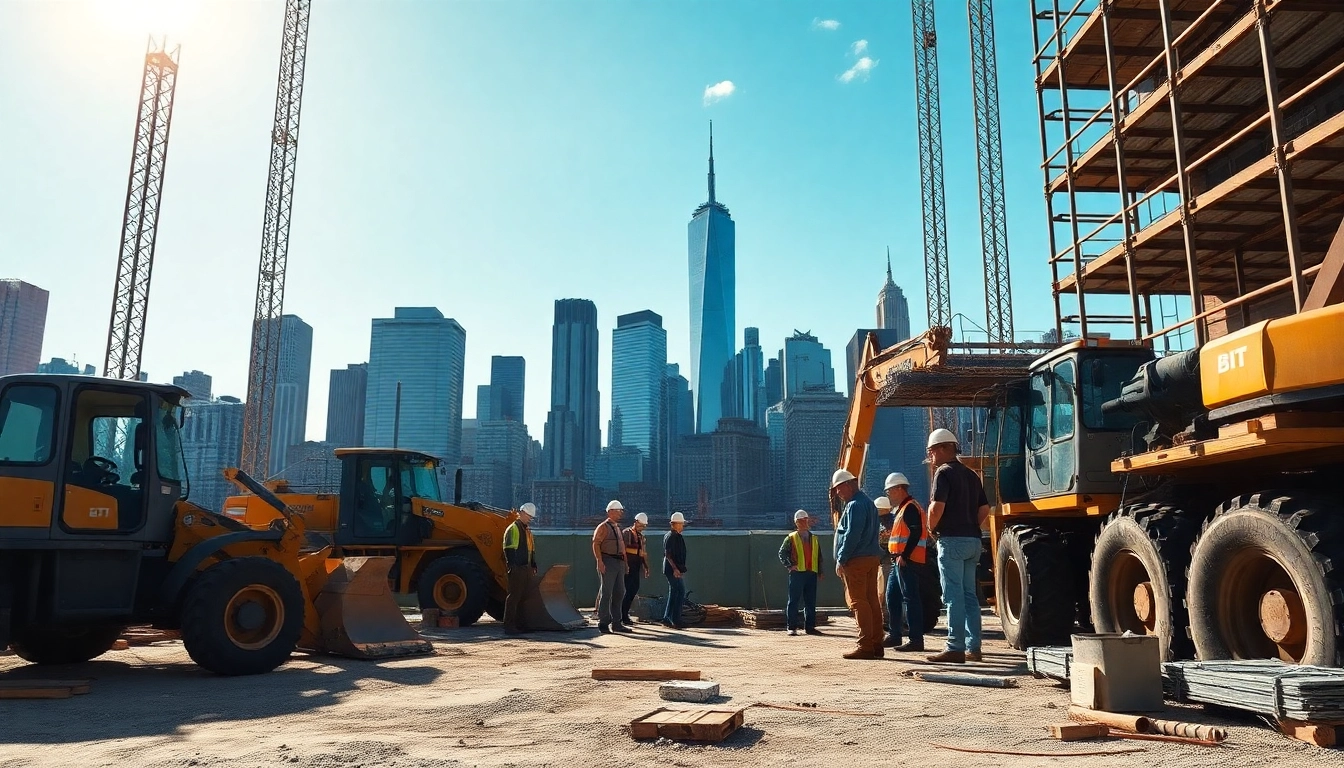
Understanding the Role of a New York City General Contractor
When embarking on a construction or renovation project in one of the world's most dynamic cities, understanding the vital role of a New York City General Contractor is imperative. This expert serves as the linchpin of any construction project, overseeing both the big picture and the intricate details. They ensure that everything runs smoothly, meeting deadlines and budgetary constraints while aligning with your vision and goals.
What Does a General Contractor Do?
A general contractor is responsible for the overall coordination of a project. This encompasses numerous tasks, including:
- Project Planning: Developing comprehensive project timelines and financial plans, ensuring all aspects of the project are viable and well-documented.
- Hiring Subcontractors: Finding and hiring qualified subcontractors to perform various specialized tasks, such as electrical work, plumbing, and carpentry.
- Permits and Regulations: Navigating the complexities of local construction regulations, obtaining necessary permits, and ensuring compliance with building codes.
- Material Procurement: Sourcing and purchasing materials that meet project specifications and budget constraints.
- Site Management: Overseeing daily operations on the construction site, ensuring safety practices are adhered to, and maintaining communication between all parties involved.
- Quality Control: Implementing quality assurance measures to ensure the finished product meets defined standards and client expectations.
Key Skills to Look For in a New York City General Contractor
Choosing the right general contractor involves evaluating key skills and attributes that contribute to successful project outcomes. Consider the following:
- Communication Skills: Effective communication is essential for managing expectations and facilitating collaboration among all stakeholders.
- Problem-Solving Ability: The construction process often presents unexpected challenges; a skilled contractor must be adept at troubleshooting and devising solutions.
- Organizational Skills: A successful contractor should maintain a high level of organization to manage schedules, budgets, and personnel effectively.
- Technical Knowledge: Proficiency in building practices, materials, and local regulations sets a knowledgeable contractor apart from the rest.
- Experience: It's crucial to assess a contractor's history and experience in projects similar to yours.
Differences Between General Contractors and Subcontractors
It’s important to understand the distinction between general contractors and subcontractors:
- General Contractors: They oversee the entire project and manage the overall construction process, maintaining the project's trajectory from start to finish.
- Check review sites to gauge the performance and reliability of potential contractors.
- Utilize social media to find testimonials and client feedback.
- Visit websites showcasing their portfolios and previous projects to assess quality.
Asking for Recommendations and Referrals
Word-of-mouth referrals can provide valuable insights. Speak with friends, family, or colleagues who have recently undertaken similar projects. Inquire about their experiences and whether they have recommendations for reputable contractors.
Evaluating Portfolios and Past Projects
An effective way to assess a contractor's suitability is to review their past work. Pay attention to the following:
- Look for diversity in their portfolio, showcasing a range of styles and project sizes.
- Evaluate the quality of craftsmanship and attention to detail in their completed projects.
- Verify successful project completion within set timelines and budgets.
Common Challenges Faced When Hiring a New York City General Contractor
When embarking on a construction project, various challenges may arise. Being aware of these can prepare you for smooth collaboration with your general contractor.
Budget Constraints: Staying Within Your Financial Limits
Managing a construction budget can be daunting. To mitigate the risk of overspending:
- Establish a clear and realistic budget from the outset.
- Communicate openly about financial limitations with your contractor to avoid unforeseen costs.
- Always allocate a contingency fund to address any unexpected expenses that may arise during construction.
Timeline Management for Your Construction Project
Timely project completion is critical. To ensure your project stays on schedule:
- Define a detailed project timeline early on and share it with your contractor.
- Schedule regular check-ins to monitor progress and address any delays proactively.
- Incorporate buffer time into your schedule for unexpected obstacles or delays.
Communication Gaps and How to Avoid Them
Effective communication minimizes misunderstandings. To enhance communication:
- Establish primary points of contact for streamlined communication.
- Encourage transparency by maintaining open lines of dialogue for sharing updates and concerns.
- Use collaboration tools to share documents, timelines, and project updates efficiently.
Best Practices for Working with Your New York City General Contractor
To foster a successful partnership with your general contractor, adopt these best practices:
Setting Clear Expectations from the Start
At the project’s inception, define all expectations carefully. This includes timelines, costs, and quality standards. Documenting these agreements prevents misunderstandings and provides a reference point throughout the construction phase.
Regular Progress Meetings and Updates
Organize regular meetings to remain informed about the project’s status. During these meetings, discuss accomplishments, obstacles, and future action plans to keep the project on track.
Handling Changes and Disputes Effectively
In the construction world, change is inevitable. Establishing a clear protocol for managing changes and resolving disputes can preserve your project's integrity:
- Document any modifications to the original project scope and agree upon the implications for cost and time.
- Use professional mediation if necessary, should disputes escalate beyond simple discussions.
Metrics for Success: Evaluating Your New York City General Contractor
After the completion of your project, assessing the effectiveness of your general contractor through various metrics ensures accountability and lays the groundwork for future endeavors.
Measuring Project Timeliness and Quality
Assess whether the project met the agreed-upon timeline and evaluate the quality of the completed work. Metrics to consider include:
- Schedule adherence: Did your contractor finish the project on time?
- Quality of workmanship: Are you satisfied with the finished product?
- Construction safety: Was the project executed with proper safety measures in place?
Budget Adherence and Financial Oversight
Evaluate your contractor’s financial management by considering:
- Did the project stay within its initial budget? If not, what were the reasons for cost overruns?
- Was there transparency in financial dealings, with comprehensive documentation of expenses?
Client Satisfaction and Post-Project Follow-Up
Your level of satisfaction serves as one of the most significant measures of success. Consider conducting a post-project survey to assess aspects such as:
- Overall satisfaction with the contractor’s services.
- Willingness to recommend the contractor to others.
- Likelihood of engaging the contractor for future projects.