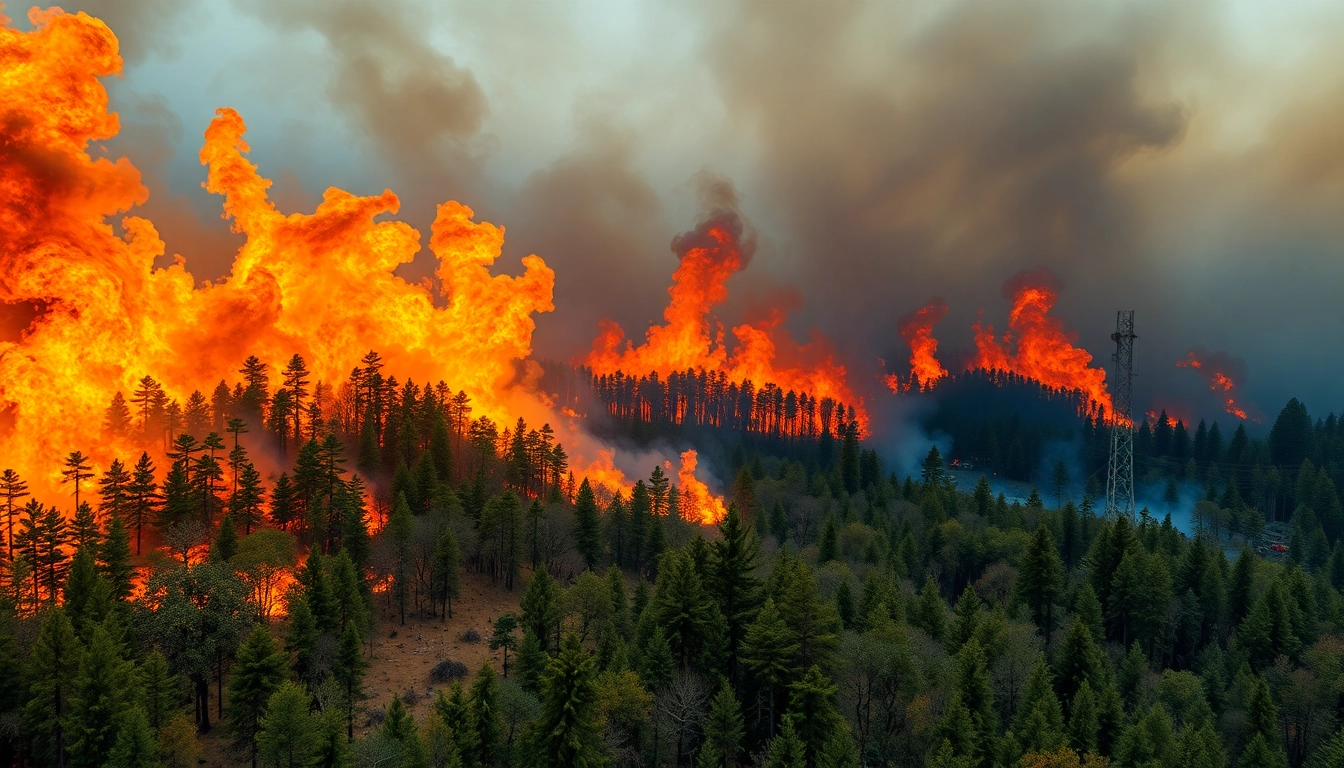
The Nature of Wildfire Events
Wildfire events represent a significant phenomenon in natural disaster management and environmental science. These uncontrolled fires can spread rapidly through forests and grasslands, resulting in extensive damage to ecosystems, property, and human lives. Understanding the underlying causes and characteristics of these events is crucial for effective management and prevention strategies. For more information on Wildfire events, this article delves into their nature, impacts, prevention, response, and future considerations.
What Defines Wildfire Events?
Wildfire events are defined as uncontrolled fires that ignite in natural areas such as forests, grasslands, or brush, primarily driven by natural or human-induced factors. These events vary in scale and severity, categorized by their intensity, spread, and duration. The three main classifications of wildfires are:
- Surface Fires: These fires burn along the ground, consuming forest litter and underbrush, typically spreading at a slower pace.
- Crown Fires: Crown fires occur when flames jump from treetop to treetop, often fueled by high winds and dry conditions.
- Ground Fires: Ground fires burn beneath the soil surface, taking place in peat or other organic matter and can smolder for extended durations.
The extent of damage caused by wildfire events can be exacerbated by factors such as weather conditions, type of vegetation, and potential human intervention for fire management.
Common Causes of Wildfire Events
Understanding the causes of wildfire events is essential for prevention measures. These causes can be broadly classified into two categories:
- Natural Causes: These include lightning strikes, volcanic eruptions, and spontaneous combustion due to intense heat. Natural factors are often unpredictable and create challenges in prevention and response.
- Human Activities: Approximately 85% of wildfires are ignited by human actions, including campfires left unattended, discarded cigarettes, arson, and agricultural burns. The increased human presence in wilderness areas heightens the risk of fire incidents.
Environmental Conditions Favoring Wildfire Events
Certain environmental conditions significantly enhance the likelihood and intensity of wildfire events. Key factors include:
- Weather Conditions: High temperatures, low humidity, and strong winds create a conducive environment for fires to ignite and spread.
- Vegetation Types: Certain plant species, such as conifers, contain flammable compounds that facilitate rapid burning.
- Soil Moisture Levels: Lack of precipitation contributes to dry fuels, raising the chances of ignition.
Impacts of Wildfire Events on Ecosystems
The consequences of wildfire events stretch beyond mere property loss, affecting ecosystems, wildlife, and human populations.
Ecological Consequences of Wildfire Events
Wildfires can have both negative and positive impacts on ecosystems. On one hand, they can destroy vast areas of flora and fauna, leading to habitat loss and a decline in biodiversity. On the other hand, many ecosystems have adapted to fire, and periodic wildfires can rejuvenate certain habitats by clearing dead materials and promoting the growth of young plants.
Research indicates that regions affected by wildfires may experience increased soil fertility as ash enriches the ground with nutrients needed for new plant growth. However, native species may struggle to rebound if the fire's intensity was too high.
Wildlife and Habitat Disruption from Wildfire Events
Wildlife populations suffer immensely during wildfire events. Animal evacuations disrupt natural behaviors and food sources, which can lead to significant mortality rates. Some species may face habitat destruction, forcing them to seek refuge in areas that themselves are unsuitable for survival.
Research studies have indicated a rise in certain species populations in post-fire landscapes, yet these changes can take years to manifest and do not compensate for losses incurred during fires.
Socioeconomic Effects of Wildfire Events
The impacts of wildfire events extend into socioeconomic domains, leading to loss of property, disruption of livelihoods, and long-term health consequences for affected communities. The direct damages can run into millions, including costs of firefighting efforts and emergency responses.
Additionally, air quality deteriorates significantly during wildfire events, posing risks of respiratory issues and other health problems to both humans and animals. Economic repercussions include decreased tourism in affected regions, loss of jobs related to agriculture and forestry, and costly rehabilitation measures.
Wildfire Event Prevention Techniques
Effective prevention strategies are crucial in mitigating the risk of wildfire events. There are numerous practices that communities and agencies can implement to reduce their likelihood and potential impact.
Best Practices for Preventing Wildfire Events
Preventive measures are key to managing wildfire risks. Best practices include:
- Creating Firebreaks: Strategically clearing vegetation can help prevent fires from spreading, providing firefighters with a buffer zone.
- Controlled Burns: Implementing controlled or prescribed burns can alleviate excess fuel loads and promote healthier ecosystems.
- Public Education Programs: Educating the public on fire safety and responsible land use is paramount to reducing human-caused fires.
Community Preparedness for Wildfire Events
Community engagement plays a vital role in wildfire preparedness. Local communities should:
- Develop wildfire response plans that include evacuation routes and emergency contacts.
- Encourage the creation of defensible space around homes through landscaping techniques that minimize combustible materials.
- Enhance community awareness through training workshops on fire safety measures.
Technological Advances in Wildfire Event Management
Innovation in technology contributes significantly to wildfire management. Some notable advancements include:
- Remote Sensing: Satellites and drones can monitor fire conditions and spread in real time, allowing for more effective strategic responses.
- Predictive Modeling: Algorithms that analyze weather patterns help in forecasting wildfire risks and potential behaviors.
- Fire Management Apps: Mobile applications can provide immediate updates and safety alerts to those in the affected areas.
Response Strategies During Wildfire Events
The efficacy of response strategies is critical during wildfire events to minimize damage and loss of life. Comprehensive planning and execution are essential to control these hazards effectively.
Emergency Response Plans for Wildfire Events
Emergency response plans form the backbone of wildfire response strategies. These plans should include:
- Resource Allocation: Identifying and deploying resources strategically to fire-prone areas ensures rapid response.
- Establishing Command Structures: Effective communication and coordination among firefighting agencies facilitate quick decision-making.
Role of Firefighting Organizations in Wildfire Events
Firefighting organizations, including local departments and federal agencies, play a crucial role in mitigating wildfire events. Their responsibilities encompass:
- Fire Suppression: Effective strategies and equipment are vital in battling flames and preventing fires from escalating.
- Public Safety Management: Ensuring the safety of residents through evacuations and public safety announcements during emergencies.
Cooperation Between Communities and Authorities During Wildfire Events
Cooperation between local communities and authorities is paramount during wildfire events for several reasons: transparency, coordinated efforts, and joint resource management can mitigate risks effectively. Active communication fosters collaboration during crises, leading to better-prepared communities and more efficient responses.
Future of Wildfire Events and Climate Change
The frequency and intensity of wildfire events are on the rise, primarily driven by climate change. Understanding how these changes will affect future wildfire dynamics is essential.
The Influence of Climate Change on Wildfire Events
Climate change contributes to prolonged droughts, higher temperatures, and erratic weather patterns, all of which heighten wildfire risks. Research indicates that regions experiencing such climatic shifts are likely to witness more frequent and severe wildfires, thereby prompting urgent action towards comprehensive adaptation measures.
Adapting to Increasing Wildfire Events
Adapting to the realities of increasing wildfire events necessitates multifaceted approaches, which include:
- Enhancing Infrastructure: Developing fire-resilient infrastructure reduces the susceptibility of buildings and communities to wildfires.
- Promoting Sustainable Land Management: Encouraging land management practices that maintain healthy ecosystems helps minimize wildfire risks.
Policy Implications for Managing Wildfire Events
Effective policies and regulations are fundamental in controlling and managing wildfire risks. Governments and agencies should:
- Incorporate fire management planning into land-use policies.
- Advance legislation supporting wildfire prevention initiatives and community preparedness programs.
Frequently Asked Questions (FAQs)
What is the most famous wildfire in history?
The Peshtigo Fire remains the deadliest wildfire in recorded history, claiming over 1,000 lives in Wisconsin on the same day as the Great Chicago Fire.
What causes most wildfires?
Most wildfires are caused by human activities such as unattended campfires, discarded cigarettes, and arson, accounting for about 85% of all wildfires.
How can I prepare my home for a wildfire?
Creating a defensible space around your home is crucial. This includes trimming trees, clearing dry vegetation, and using fire-resistant building materials.
What are the signs of a wildfire in my area?
Signs of a nearby wildfire may include smoke, ash falling from the sky, or unusual changes in air quality. Local authorities will provide alerts and updates.
How do I report a wildfire?
To report a wildfire, contact local emergency services or the forest service immediately. Provide as much detail as possible, including the location and scale of the fire.