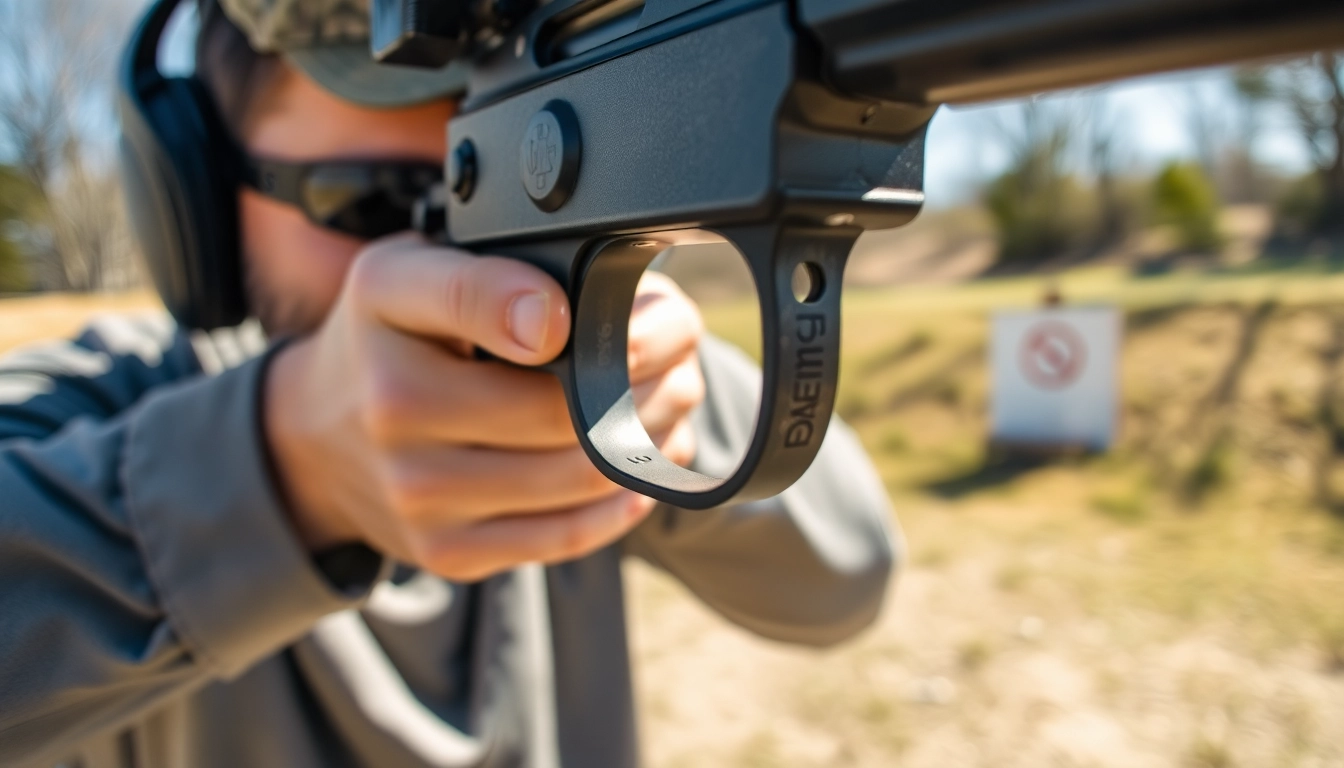
What is a Forced Reset Trigger?
Definition and Functionality
A Forced reset trigger is a specialized firearm trigger mechanism designed to reset automatically after each shot is fired. Unlike traditional triggers, which require a separate pull to reset, the forced reset trigger system utilizes mechanical properties to allow the gun to reset with minimal movement from the shooter. This function enables rapid shooting with increased efficiency while maintaining control and accuracy during firing.
Key Components Explained
Forced reset triggers consist of several critical components that work together to achieve their unique functionality. These components include a hammer, sear, and spring assemblies, each meticulously engineered for optimal performance:
- Hammer: Operates by striking the firing pin when the trigger is pulled, resulting in firing the round.
- Sear: Engages the hammer to hold it back before the trigger is pulled and releases it when pressed.
- Springs: Provide the necessary tension and return force, crucial for the reset function.
- Trigger Housing: Houses the trigger mechanism and helps control the trigger pull weight and travel.
How It Differs from Standard Triggers
The main distinction between a forced reset trigger and a standard trigger lies in the operation of the resetting mechanism. Standard triggers require a complete release and pull for each shot, leading to slower follow-up shots. In contrast, forced reset triggers allow firing sequences to continue with a simple pull to the rear, enabling multiple shots to be fired in rapid succession while maintaining superior accuracy. This capability is particularly beneficial in competitive shooting and tactical scenarios.
Benefits of Using a Forced Reset Trigger
Improved Rate of Fire
One of the most significant advantages of using a forced reset trigger is the dramatically improved rate of fire. Competitors and tactical shooters benefit from the ability to deliver multiple rounds quickly without the need for an extensive trigger pull and reset. This increase in the number of rounds downrange can be crucial in competitions or during high-pressure situations.
Enhanced Accuracy and Control
In addition to the increase in fire rate, forced reset triggers contribute to enhanced accuracy. The smooth operation allows for faster follow-up shots without compromising target acquisition or control. The mechanics allow shooters to maintain their focus and stability, leading to better shot placement, especially under challenging conditions.
Lower Recoil Management
Recoil can significantly impact a shooter’s performance, especially in rapid-fire scenarios. The design of forced reset triggers often results in better management of recoil. By allowing for a more stable platform for shooting, it helps reduce the disruptive effects of recoil, enabling shooters to maintain their aim and make precise corrections with greater ease.
Common Concerns and Misconceptions
Legal Aspects of Forced Reset Triggers
Many potential users express concern about the legality of forced reset triggers. Laws vary significantly by jurisdiction, so it is vital for users to research and understand the regulations that apply in their area. In some locations, these triggers can be classified similarly to automatic firing mechanisms, leading to legal implications for possession or use.
Safety Considerations
Safety remains paramount when utilizing any firearm component, including forced reset triggers. Familiarization with the operation and understanding the unique features of these triggers can help mitigate safety risks. Proper training and adherence to safe handling practices are essential to ensure responsible usage while employing this advanced trigger system.
Maintenance and Reliability
Potential users often wonder about the maintenance requirements of forced reset triggers. Regular inspection and lubrication of the trigger components are necessary to ensure reliable performance. Keeping these parts clean and free from debris will help maintain functionality and prolong the life of the trigger system.
How to Choose the Right Forced Reset Trigger
Evaluating Compatibility with Your Firearm
When selecting a forced reset trigger, one of the first considerations should be compatibility with your specific firearm model. Each trigger system is usually designed with particular firearm types in mind, and ensuring a proper fit is crucial for optimal performance. Check manufacturer specifications and guidelines to verify compatibility before making a purchase.
Assessing Performance Features
Different forced reset triggers may come with various performance features tailored to meet specific shooting needs. Factors to consider include pull weight, travel distance, and the overall feel of the trigger. Establishing which features are most relevant to your shooting style will significantly influence your choice.
User Reviews and Recommendations
Researching user experiences can provide valuable insights into the effectiveness and reliability of different forced reset triggers. Look for reviews from respected shooting communities or experts to learn about real-world performance, reliability, and any potential drawbacks that may not be immediately evident from product specifications.
FAQs about Forced Reset Triggers
What is the primary advantage of a forced reset trigger?
A forced reset trigger significantly improves the rate of fire and accuracy, making it ideal for competitive shooting.
Are forced reset triggers legal to use?
Legality varies by region; always check local laws regarding firearm modifications before installation.
How difficult is it to install a forced reset trigger?
Installation complexity can vary; some require professional installation while others may be user-friendly.
Do forced reset triggers affect accuracy?
They generally enhance accuracy by providing quicker follow-up shots, improving shooting control.
What maintenance do forced reset triggers require?
Regular cleaning and inspection are key; ensure moving parts are lubricated and free of debris for optimal performance.