Understanding Electric Chain Hoist Cranes
Electric chain hoist cranes are essential tools for various industries, notably in manufacturing, construction, and warehousing. These cranes enhance lifting efficiency and safety, making them indispensable in environments that require the movement of heavy loads. When exploring options, electric chain hoist crane products provide comprehensive insights into the capabilities and specifications suited to industry needs.
What is an Electric Chain Hoist Crane?
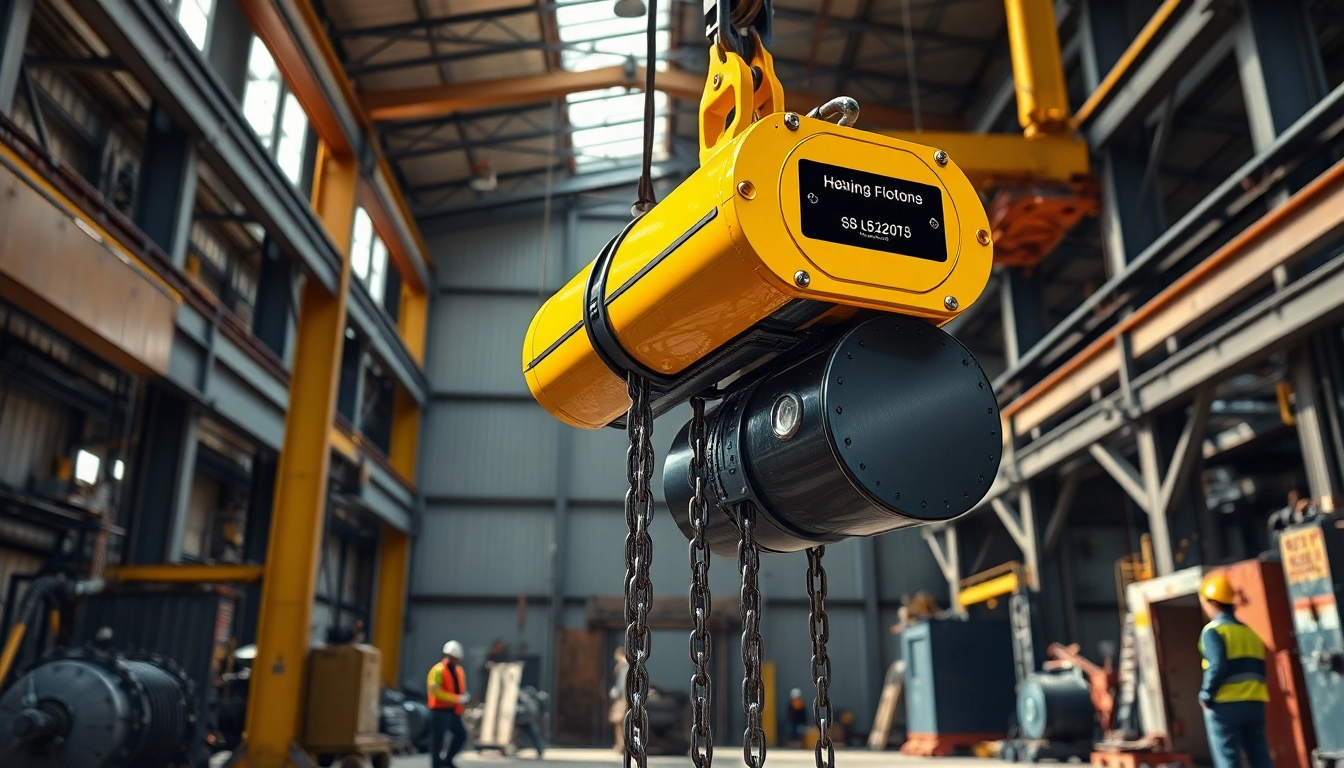
An electric chain hoist crane is an automated lifting device that uses electric power to raise and lower heavy loads via a chain. Unlike manual hoists, which rely on human effort, electric chain hoists are designed for high-frequency use and can handle heavier weights with minimal physical strain on operators. They are equipped with a powerful motor, allowing for efficient and controlled lifting in various applications.
Key Components of Electric Chain Hoist Cranes
Understanding the components of electric chain hoist cranes is essential for both their operation and maintenance. Key components include:
- Electric Motor: Powers the hoisting mechanism, enabling quick and efficient lifting.
- Chain and Sprocket: The chain acts as the lifting medium, while the sprocket engages the chain to facilitate movement.
- Control Mechanism: This may include a pendant control or a remote control, allowing the operator to guide the load with precision.
- Safety Features: Incorporates overload protection, emergency stop functions, and limits switches to enhance operational safety.
How Electric Chain Hoist Cranes Work
The functioning of electric chain hoist cranes is straightforward yet sophisticated. When the operator activates the control device, the electric motor engages and turns the sprocket, which pulls the chain upwards. This action lifts the load attached to the hook. The chain's design allows for a smooth vertical lift, while additional components such as brakes ensure that the load remains stable while being lifted or lowered. Modern hoists also feature sophisticated controls that allow for variable speed adjustments and soft-start mechanics to reduce dynamic load stress.
Benefits of Using Electric Chain Hoist Cranes
The adoption of electric chain hoist cranes comes with several advantages that make them preferable over manual lifting systems.
Efficiency and Speed in Lifting Operations
One of the primary benefits of electric chain hoist cranes is their speed and efficiency. These cranes can lift and lower loads significantly faster than manual alternatives, which is crucial in time-sensitive operations. Businesses can achieve higher productivity levels when utilizing these cranes, leading to increased throughput in warehouses and manufacturing plants.
Reducing Physical Strain for Operators
Electric chain hoists greatly reduce the physical effort required to lift heavy materials. Operators can manage high loads without the risk of injury or fatigue associated with manual lifting. This ergonomic advantage not only enhances worker safety but also improves morale and job satisfaction, as employees can operate machinery without exerting excessive physical effort.
Safety Features in Modern Electric Chain Hoist Cranes
Modern electric chain hoist cranes are equipped with multiple safety features that protect both the operator and the load being lifted. These features often include:
- Overload Protection: Prevents the hoist from lifting loads that exceed its rated capacity.
- Emergency Stop Controls: Allows immediate cessation of operation in case of an emergency.
- Limit Switches: Automatically stops the hoist to prevent over-travel.
Choosing the Right Electric Chain Hoist Crane for Your Needs
Selecting the appropriate electric chain hoist crane involves several considerations to ensure optimal performance and compatibility with operational needs.
Assessing Load Capacity Requirements
Before purchasing an electric chain hoist crane, it is critical to assess the load capacity requirements specific to your operations. Electric chain hoists come in different capacities, typically ranging from 1/8-ton to over 50 tons. Understanding the maximum weight of the loads to be lifted will guide you in selecting a crane that meets safety standards and operational needs.
Understanding Power Source Options
Electric chain hoists can be powered by different sources, including single-phase and three-phase power. Choosing the right power source is essential depending on the power availability in your facility and the intended use of the hoist. Single-phase hoists are ideal for smaller shops, while three-phase options are better suited for industrial applications requiring continuous heavy lifting.
Customization Features Available
Many manufacturers offer customization options, allowing users to tailor the hoist to their specific needs. Common customization features include different chain lengths, hook types, and motor speeds. Understanding the specific requirements of your operation can help you select the best features that will enhance productivity while ensuring safety.
Best Practices for Operating Electric Chain Hoist Cranes
To maximize the efficiency and safety of electric chain hoist cranes, it is essential to employ best practices in their operation.
Safety Protocols to Follow
Establishing safety protocols is critical in utilizing electric chain hoist cranes. Operators should be trained in proper lifting techniques and safety measures, such as:
- Conducting pre-operation inspections to identify any potential hazards.
- Ensuring load stability and secure rigging before lifting.
- Following weight limits and adhering to safety guidelines provided by the manufacturer.
Routine Maintenance and Inspection Tips
Regular maintenance and inspections are vital for the longevity and performance of electric chain hoist cranes. Key maintenance tasks include:
- Inspecting the chains for wear and tear and replacing any damaged links.
- Checking electrical components and controls to ensure proper functioning.
- Lubricating moving parts to minimize friction and wear.
Common Operational Challenges and Solutions
Electric chain hoist cranes may encounter several operational challenges, including:
- Load Drift: Improper rigging or malfunctioning components can lead to load drift. Regular inspections and proper training can mitigate this risk.
- Power Supply Issues: Fluctuations in power supply can affect hoist performance. Ensuring stable electrical supply and having backup generators can address this problem.
Future Trends in Electric Chain Hoist Crane Technology
As technology continues to advance, electric chain hoist cranes are also evolving. Several emerging trends indicate the future direction of these essential lifting devices.
Innovations for Increased Automation
Automation is transforming the traditional lifting landscape, leading to the development of smart hoists equipped with IoT capabilities. These innovations allow for remote monitoring and control and enhance predictive maintenance through data analytics, ultimately improving overall operational efficiency.
Environmental Considerations in Design
With growing awareness regarding environmental sustainability, manufacturers are focusing on designing electric chain hoists with energy-efficient motors and eco-friendly materials. This shift not only reduces the environmental impact but also lowers operational costs for businesses.
Predicted Market Growth and Demand in 2025
The electric chain hoist market is anticipated to witness robust growth by 2025, driven by increasing industrialization, urbanization, and demand for advanced lifting solutions. Companies investing in innovative and efficient hoisting technologies can expect to gain a competitive advantage in the evolving marketplace.