Understanding Commercial Roofing Services
What are Commercial Roofing Services?
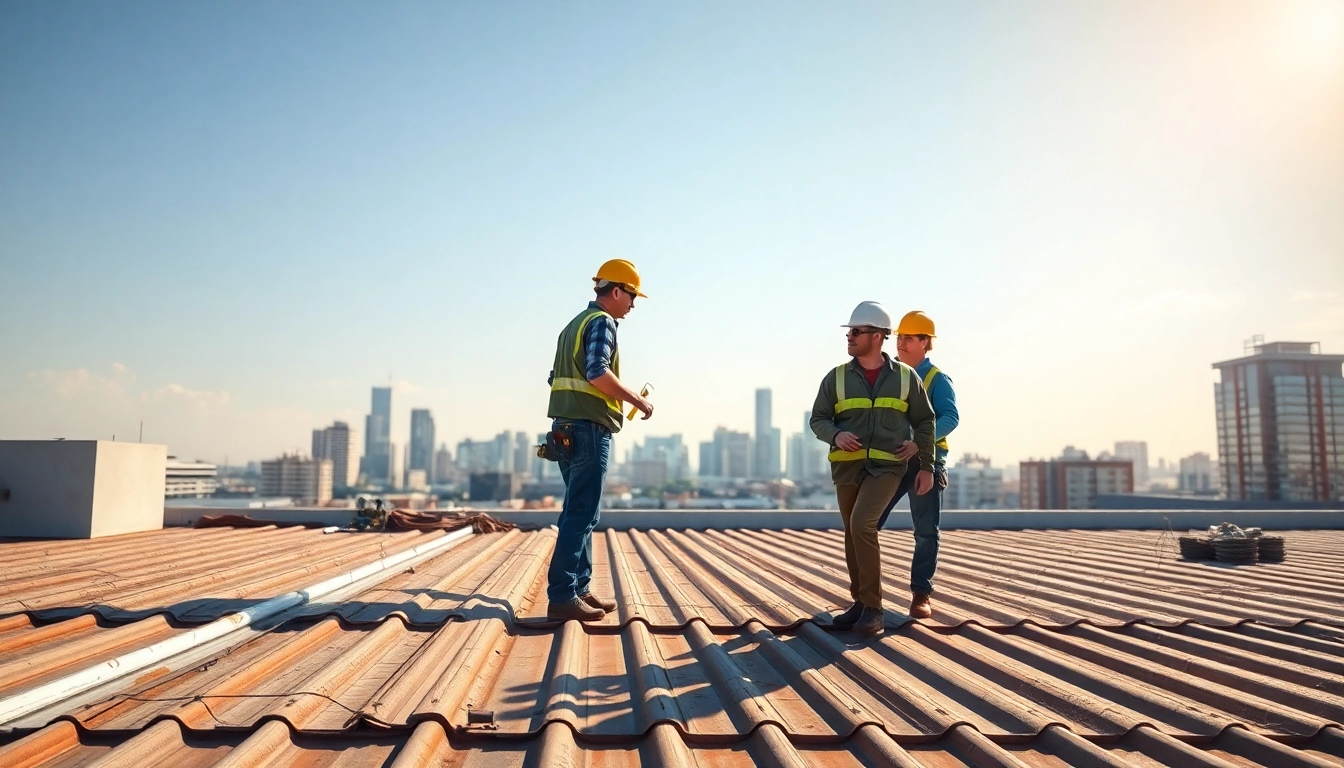
Commercial roofing services encompass a broad range of roofing solutions specifically tailored for business environments. Unlike residential roofing, which typically caters to individual homes, commercial roofing addresses the distinct needs of businesses, warehouses, schools, hospitals, and other commercial facilities. These services include installation, repair, replacement, and maintenance of roofs designed to handle the various loads, materials, and purposes found in commercial settings. A professional commercial roofing contractor not only ensures that a roof is properly installed to withstand weather conditions but also that it meets local codes and regulations.
Benefits of Choosing Professional Services
Choosing professional commercial roofing services brings a multitude of benefits to business owners. Firstly, experts in the field offer warranties that protect your investment. Second, their experience ensures that installations and repairs are executed to the highest standards, reducing the likelihood of future problems. Third, professionals leverage advanced materials and technologies that enhance the roof's durability and energy efficiency. Lastly, efficient service can minimize disruptions to your business operations, making the process smoother and more manageable.
Types of Commercial Roofs and Their Features
The choice of roofing system plays a critical role in a building's performance. Here are some common types of commercial roofs:
- Flat Roofs: Often found in commercial buildings, flat roofs are easy to install and maintain. They require special waterproofing membranes to prevent leaks.
- Pitched Roofs: These roofs are sloped to facilitate drainage and can include materials like metal, shingles, or tiles.
- Modified Bitumen Roofs: Made from asphalt, these roofs are designed for low-slope buildings and provide reliability and durability.
- Solar Roofs: Incorporating photovoltaic panels, solar roofs harness energy and reduce operational costs over time.
- Green Roofs: These living roofs promote sustainability by incorporating vegetation, providing insulation and increasing biodiversity.
Key Factors to Consider
Materials Used in Commercial Roofing
The choice of roofing materials affects a roof's long-term performance and maintenance costs. Common materials include:
- EPDM: A type of synthetic rubber commonly used in low-slope roofing.
- TPO: A single-ply roofing membrane that is energy-efficient and cost-effective.
- Metal: Highly durable, metal roofing systems are suitable for various climates and provide excellent protection.
Climate Impact on Roofing Choices
Understanding regional climate conditions is essential for selecting an appropriate roofing system. For instance, locations prone to heavy snowfall require roofs that can support snow loads, while areas with extreme heat may benefit from reflective materials to reduce cooling costs. Business owners should consult with roofing specialists who can provide insights tailored to their geographical area.
Budgeting for Commercial Roofing Services
Budgeting for commercial roofing services involves a few key considerations. Initial quotes might seem high, but the long-term investment often outweighs the upfront costs. Factors such as the roofing material, building size, installation method, and potential energy savings should all contribute to a comprehensive budget plan. Additionally, setting aside funds for regular maintenance can prevent costly repairs later.
Best Practices for Maintenance
Regular Inspections and Their Importance
Conducting regular roof inspections is a proactive measure that can significantly extend a roof's lifespan. Inspections should ideally take place at least twice a year and after any significant weather events. During an inspection, professionals can identify issues like punctures, blisters, and accumulated debris, helping to prevent larger problems before they escalate.
Common Maintenance Tips for Longevity
To enhance the longevity of commercial roofs, consider the following maintenance tips:
- Keep gutters clean and free of debris to prevent water backup.
- Inspect and maintain flashing and drainage systems regularly.
- Trim overhanging branches to prevent damage from falling limbs.
- Repair leaks as soon as they are detected to avoid structural issues.
Signs It's Time for Repair or Replacement
Business owners should remain vigilant for signs indicating that a roof may need to be repaired or replaced. Common indicators include:
- Visible leaks or water stains indoors.
- Shingles or roofing materials that are damaged or missing.
- Excessive pooling of water on flat roofs.
- Higher energy bills, suggesting insulation failure.
Choosing the Right Service Provider
What to Look for in a Commercial Roofing Contractor
When selecting a commercial roofing contractor, it is vital to choose a provider with a proven track record. Look for certifications, customer reviews, and a portfolio showcasing previous work. The contractor should also offer a comprehensive range of services, from inspections to complex installations, to address all your roofing needs.
Evaluating Credentials and Experience
Credentials such as roofing certifications from reputable organizations ensure that the contractor is knowledgeable about the latest roofing technologies and regulations. Experience also counts; contractors with years in the industry often have refined processes and are better prepared to handle unexpected challenges during projects.
Understanding Service Agreements and Warranties
Before entering into any agreement, understand what is covered under warranties and service agreements. A robust warranty can provide security and peace of mind, while clear service agreements ensure that expectations regarding timelines, costs, and responsibilities are well outlined.
Future Trends in Commercial Roofing
Innovations in Roofing Materials and Technology
The roofing industry continually evolves, with innovations paving the way for better materials and construction methods. Today, roofing systems can incorporate smart technology that monitors structural integrity and detects leaks in real-time. Advancements in materials, such as cool roofing and reflective coatings, contribute to energy efficiency and sustainability.
Sustainability Practices in Commercial Roofing
Sustainability is becoming a crucial factor in commercial roofing. Many businesses are adopting green practices that not only benefit the environment but also enhance their public image. This includes using recycled materials, implementing solar power, and installing green roofs that provide insulation and absorb rainwater.
Preparing for Future Climate Challenges
As climate change leads to more extreme weather conditions, businesses must prepare their roofs to withstand such challenges. This preparation might include the use of more resilient materials, improved drainage systems, and design modifications that facilitate better airflow and heat resistance. Investing in these adaptations can ensure longevity and efficacy in the face of evolving climate conditions.