Understanding Education: A Framework for Growth
Education is the cornerstone of personal and societal development, transcending mere knowledge acquisition to encompass a transformative process that shapes individuals and communities. In a rapidly changing world, the significance of Education cannot be overstated, as it equips people with the skills required to navigate an increasingly complex landscape. In this comprehensive exploration, we delve into the definition and importance of education, trace its historical evolution, and highlight the key components that create successful education systems.
Definition and Importance of Education
At its core, education is defined as the systematic approach to fostering learning, habit formation, and intellectual growth. It manifests in various formats, including formal, non-formal, and informal contexts. Education's importance is multifaceted, impacting economic development, social cohesion, and individual empowerment. An educated populace contributes to political stability, innovation, and community engagement, ultimately creating prosperous societies.
History and Evolution of Education
The journey of education dates back to ancient civilizations, where knowledge was transmitted orally or through rudimentary writings. Early formal education systems emerged in places like Mesopotamia and Ancient Egypt, focusing on training scribes and priests. Over time, the establishment of universities in the Middle Ages marked a significant shift, democratizing access to knowledge. The Enlightenment era further propelled educational reform, emphasizing critical thinking and scientific inquiry, which laid the groundwork for modern schooling systems we see today.
Key Components of a Successful Education System
A successful education system is composed of several interrelated components, including:
- Curriculum: A well-structured curriculum that meets the needs of diverse learners is crucial for promoting effective learning outcomes.
- Instructional Methods: Diverse teaching strategies that cater to different learning styles enhance student engagement and retention.
- Assessment: Continuous assessment, both formative and summative, allows educators to monitor progress and adjust teaching methods accordingly.
- Teacher Quality: Highly qualified and trained educators play an essential role in shaping the educational experience and outcomes.
- Infrastructure: Access to adequate facilities, resources, and technologies is vital for delivering quality education.
Educational Methods: Best Practices for Effective Learning
The evolution of pedagogical approaches has led to diverse educational methods designed to enhance learning efficacy. Understanding the distinctions between traditional and modern strategies and the integration of technology is essential for fostering an adaptable learning environment.
Traditional vs. Modern Educational Approaches
Traditional educational methods often prioritize rote learning, standardized testing, and teacher-led instruction. While these approaches have been effective in imparting foundational knowledge, they may lack engagement and critical thinking stimulation. In contrast, modern educational practices advocate for collaborative learning, student-centered initiatives, and experiential activities that encourage exploration. The integration of inquiry-based learning fosters creativity and problem-solving among students, preparing them for real-world challenges.
Integrating Technology in Education
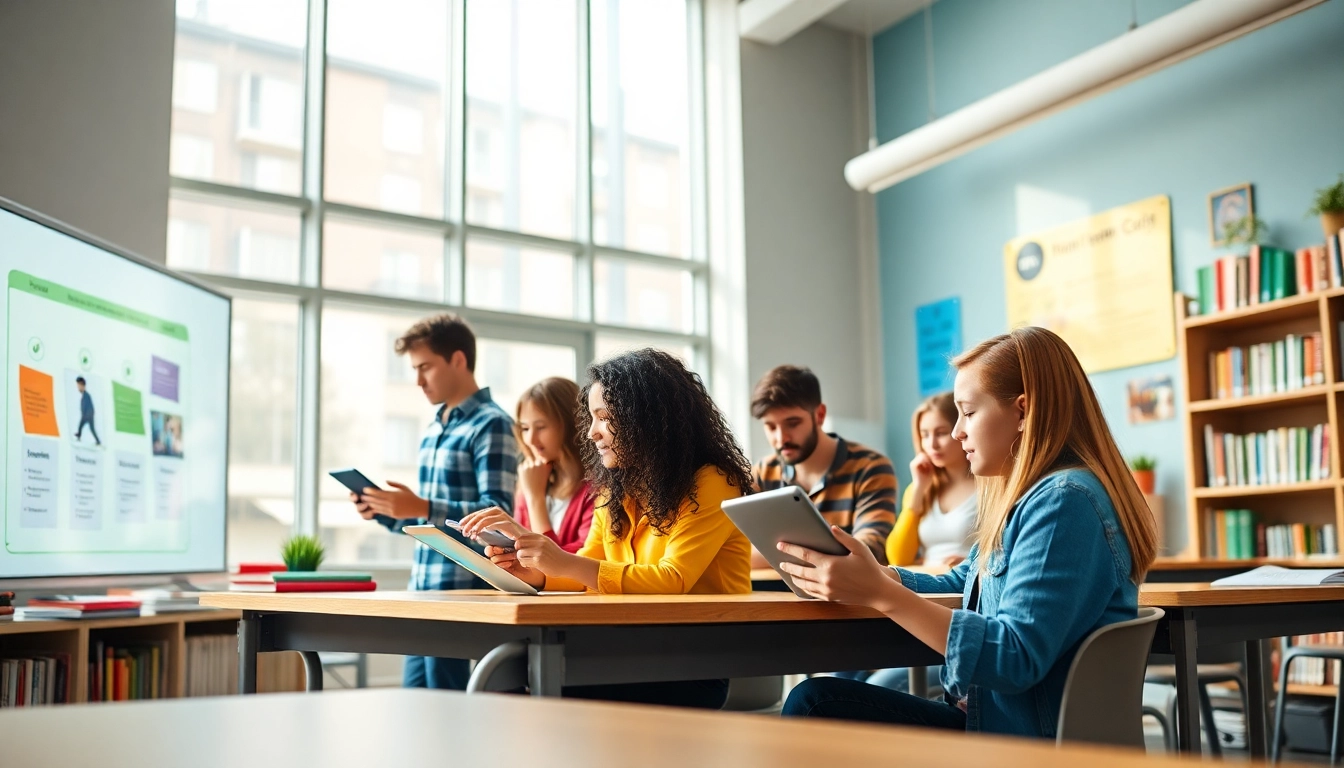
The advent of technology has revolutionized education, expanding learning opportunities beyond the classroom. Tools such as interactive whiteboards, virtual reality, and e-learning platforms offer diverse ways to engage students, making learning more interactive and accessible. Moreover, technology facilitates personalized learning experiences, catering to individual needs and pacing, thus enhancing overall educational outcomes.
Importance of Lifelong Learning and Adaptability
In today's fast-paced world, the ability to adapt is critical. Lifelong learning encourages individuals to continually seek knowledge and skills, which is essential for career advancement and personal development. Educational systems must promote adaptability through continuous education and training opportunities, empowering individuals to navigate changes in job markets, technology, and societal needs.
Overcoming Challenges in Education: Strategies for Success
Despite the advancements in education, numerous challenges persist. Addressing inequalities, supporting diverse learning needs, and engaging students remain paramount for achieving educational equity.
Addressing Inequalities in Access to Education
Inequities in education are prevalent across various demographics, often determined by socio-economic status, geographic location, or cultural background. To overcome these disparities, policymakers must implement inclusive policies that ensure equitable access to educational resources. Initiatives such as scholarships, community funding for schools, and equitable distribution of technology can help bridge the gap and provide equal opportunities for all learners.
Supporting Diverse Learning Needs
Diversity in learning needs encompasses various aspects, including students with disabilities, those learning English as a second language, and varying educational backgrounds. Effective support mechanisms, such as individualized education plans (IEPs) and differentiated instruction strategies, ensure that all students receive the guidance they require to thrive. Establishing a culture of acceptance and inclusivity fosters a supportive learning environment where every student can succeed.
Engaging Students in the Learning Process
To foster a passion for learning, educational systems must prioritize student engagement. Techniques such as project-based learning, gamification, and real-world applications encourage active participation, enabling students to see the relevance of their studies. Beyond curriculum design, creating mentorship programs that connect students with professionals from their areas of interest can significantly enhance motivation and enthusiasm for learning.
The Role of Educators in Shaping Futures
Educators are at the heart of the learning experience, tasked with nurturing, guiding, and inspiring future generations. Their roles extend far beyond teaching subjects; they are mentors, counselors, and advocates for their students' well-being.
Characteristics of Effective Educators
Effective educators exhibit several characteristics, including strong communication skills, empathy, adaptability, and a commitment to continuous learning. They create engaging learning environments that encourage open dialogue, critical thinking, and collaboration. Additionally, effective educators model lifelong learning by pursuing professional development, staying informed about pedagogical advancements, and integrating new strategies into their teaching.
Teacher Training and Professional Development
Robust teacher training programs are foundational to building a skilled workforce capable of addressing the challenges in education. Professional development opportunities should focus on developing both subject matter expertise and pedagogical proficiency, equipping educators with the tools necessary to facilitate effective learning. Continuous feedback and training in new methodologies allow teachers to evolve with educational trends and student needs.
Building Positive Relationships with Students
Creating positive relationships with students is crucial for fostering a healthy learning environment. Establishing trust and rapport enables educators to better understand their students' motivations and challenges, leading to tailored support. Techniques such as regular one-on-one check-ins, active listening, and establishing clear expectations can significantly enhance student-teacher relationships, promoting a culture of respect and collaboration.
The Future of Education: Trends and Innovations
The landscape of education is continuously evolving, influenced by technological advancements, globalization, and changing workforce demands. Understanding emerging trends will help educators and policymakers prepare for the educational needs of tomorrow.
The Impact of Globalization on Education
Globalization has significantly impacted education by facilitating cross-cultural exchanges, enhancing the understanding of global issues, and promoting international collaboration. Educational institutions increasingly emphasize multicultural education, preparing students to function effectively in a globalized workforce. Exchange programs, online collaborative projects, and international partnerships enrich students’ learning experiences and broaden their perspectives.
Embracing Educational Technology and E-Learning
The rise of online learning platforms has transformed traditional educational models, enabling access to quality education worldwide. E-learning effectively supplements conventional methods, offering flexible learning opportunities that cater to diverse lifestyles. As technological advancements continue, it is crucial for educational institutions to embrace these tools, enhancing their capabilities to deliver high-quality education that meets students' evolving needs.
Preparing for the Workforce of Tomorrow
With the pace of technological change, the future workforce will require new competencies that transcend traditional subject matter. Educational systems must pivot towards incorporating skills such as critical thinking, creativity, emotional intelligence, and digital literacy into curricula. Collaboration with industry experts to align educational programs with market demands ensures that students graduate equipped with the skills necessary for success in the future job market.