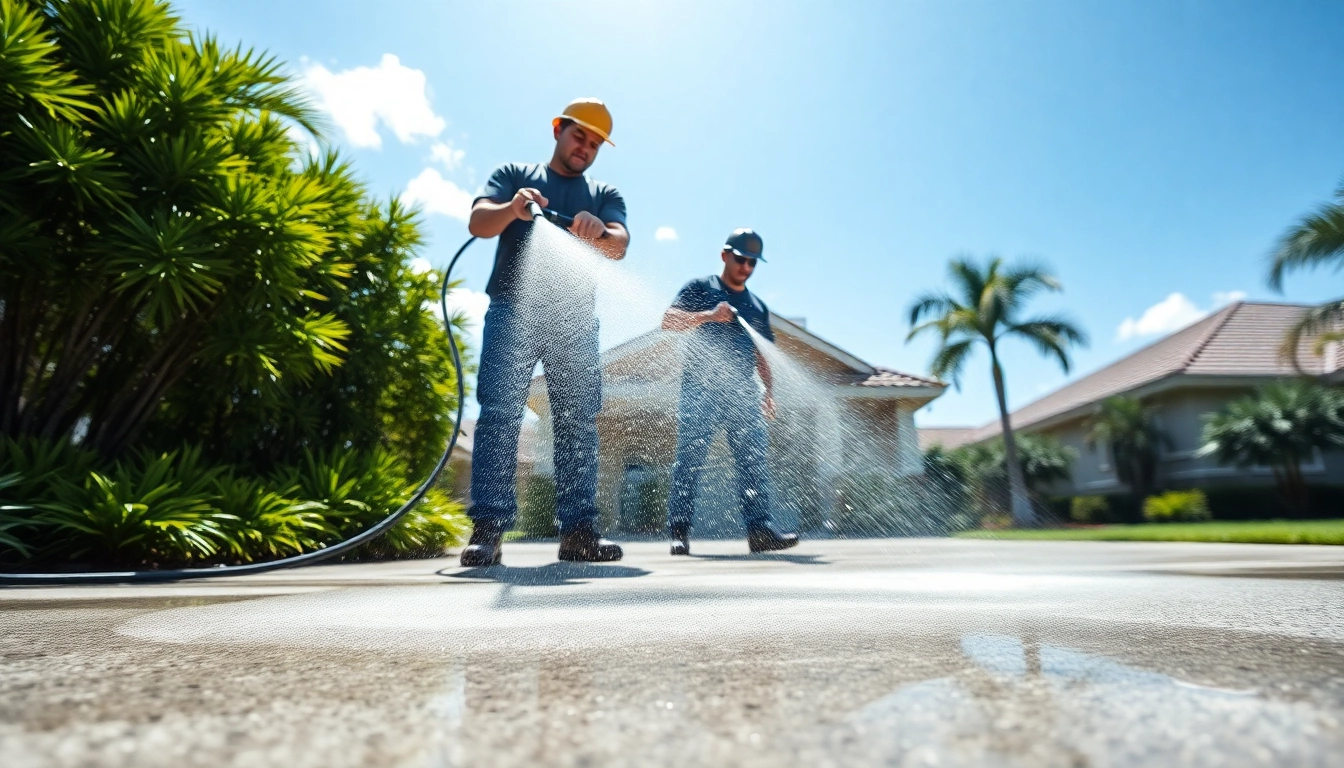
Understanding Concrete Cleaning: Importance and Benefits
Concrete is a versatile and durable material that forms the foundation of many residential and commercial structures. However, over time, it can accumulate dirt, stains, and grime, detracting from its appearance and even its longevity. The process of concrete cleaning is essential to maintaining the aesthetic appeal of your property and ensuring the integrity of the surfaces. This comprehensive guide explores the significance of concrete cleaning, detailing its benefits and the various methods available to achieve optimal results.
What is Concrete Cleaning?
Concrete cleaning refers to the various methods and techniques employed to remove dirt, stains, and other contaminants from concrete surfaces. This can include everything from driveways and patios to commercial walkways and parking lots. The cleaning process aims to restore the original look of the concrete while extending its lifespan. Different methods are available depending on the degree of dirtiness and the type of surface being cleaned.
Benefits of Professional Concrete Cleaning
- Enhanced Curb Appeal: Clean concrete significantly improves the visual attractiveness of your property, making it more inviting and appealing to guests or customers.
- Increased Longevity: Regular cleaning helps to remove harmful substances that may degrade concrete surfaces over time, thus prolonging their lifespan.
- Property Value Protection: Well-maintained concrete can enhance the overall value of your property, making it more appealing to potential buyers or renters.
- Improved Safety: Cleaning removes slippery substances, reducing the risk of slips and falls on walkways and driveways.
- Eco-Friendly Options: Many cleaning services utilize environmentally safe products that effectively clean surfaces without harming the surroundings.
Environmental Impact of Concrete Cleaning Practices
Concrete cleaning practices can have a significant impact on the environment. Traditional cleaning methods often involve harsh chemicals that can run off into the water supply, harming local ecosystems. Fortunately, many professional services now offer environmentally friendly cleaning agents and practices, ensuring that the cleaning process does not negatively affect the local environment.
Choosing the Right Techniques for Concrete Cleaning
When it comes to choosing the most effective concrete cleaning methods, it’s essential to understand the differences between high-pressure washing and soft washing, as well as the various agents that can be used for cleaning.
High-Pressure Washing vs. Soft Washing
High-pressure washing utilizes intense water pressure to blast away dirt and stains, making it ideal for heavily soiled concrete surfaces. However, it can also risk damaging softer materials if not used correctly. In contrast, soft washing uses lower pressure combined with specialized cleaning solutions to clean surfaces gently. This method is more suited for delicate areas or where surface damage is a concern.
Best Cleaning Agents for Concrete Surfaces
The choice of cleaning agents can greatly influence the effectiveness of the cleaning process. Some common agents include:
- Baking Soda: A gentle abrasive that can help lift stains without scratching.
- Vinegar: Effective for breaking down tough grime thanks to its acidity.
- Commercial Cleaners: Formulated specifically for concrete cleaning, often containing powerful degreasers.
- Hydrogen Peroxide: Useful for removing stains and disinfecting surfaces.
DIY Methods for Basic Concrete Cleaning
For those who prefer a hands-on approach, there are several DIY methods for basic concrete cleaning. Simple solutions like a mixture of water and dish soap can work wonders on light stains, while a mixture of vinegar and baking soda can tackle tougher grime. However, for more significant cleaning tasks, hiring a professional service is generally recommended to ensure thorough cleaning and prevent damage.
Common Challenges in Concrete Cleaning
While concrete cleaning can be straightforward, several challenges can arise based on environmental factors and the nature of the stains present.
Stubborn Stains: Oil, Grease, and Algae
Stains from oil, grease, and algae can be particularly difficult to remove. Oil stains often require specific degreasing agents and may necessitate a combination of pressure washing and chemical treatments. Algae and mold growth not only degrade the appearance of concrete but can also pose health risks, making it essential to address these issues promptly.
Surface Damage Risks and How to Avoid Them
Using the wrong cleaning techniques can lead to surface damage. For instance, using high pressure on older concrete can cause chips and cracks. To avoid damage, it’s crucial to choose the appropriate cleaning method and tools based on the condition of the surface being cleaned.
Climate Influence on Cleaning Effectiveness
The effectiveness of concrete cleaning can also be influenced by climate conditions. High humidity can prevent cleaning agents from drying effectively, whereas extreme temperatures can affect how cleaning solutions work. Therefore, it’s essential to consider local weather conditions when planning a concrete cleaning service.
Step-by-Step Guide to Professional Concrete Cleaning
For optimal results, follow this step-by-step guide to ensure that your concrete cleaning is efficient and effective.
Preparation: Tools and Equipment Needed
Before beginning the cleaning process, gather all necessary tools and materials, including:
- Pressure washer or soft wash system
- Cleaning agents suitable for your type of stain
- Protective gear (gloves, goggles)
- Brushes or brooms for scrubbing
- Water supply or connections
Executing the Cleaning Process Safely and Efficiently
Begin by applying your chosen cleaning agent to the stained areas. Let it sit for the recommended time to penetrate the stains before using the pressure washer or soft wash system to thoroughly rinse the area. Always begin from the highest point and work your way down to prevent streaking.
Post-Cleaning Maintenance Tips for Longevity
Once the cleaning is complete, it’s vital to maintain the freshness of the concrete. Regularly scheduled cleanings and sealing can prevent stains from setting in and protect the surface from future damage. Consider scheduling professional cleanings every 6 to 12 months, depending on the usage of the concrete area.
The Future of Concrete Cleaning: Trends and Innovations
The concrete cleaning industry is continually evolving, with new trends and innovations emerging regularly.
Eco-Friendly Cleaning Solutions: What’s New?
As sustainability becomes increasingly important, many companies are focusing on developing eco-friendly cleaning solutions. These products aim to maintain the effectiveness of traditional cleaners while minimizing their environmental impact.
Technological Advances in Pressure Washing Equipment
Advancements in technology, such as improved pressure washing equipment, are enabling more efficient cleaning methods. Features like adjustable pressure levels and automated systems are making it easier to achieve professional results without the risk of damage.
Predictions for Concrete Cleaning Services in 2025
Looking ahead to 2025, we can expect further advancements in eco-friendly practices and equipment, along with an increased consumer demand for sustainable cleaning options. As awareness of the environmental impact grows, more homeowners and businesses will seek out professional cleaning services that prioritize sustainability.