
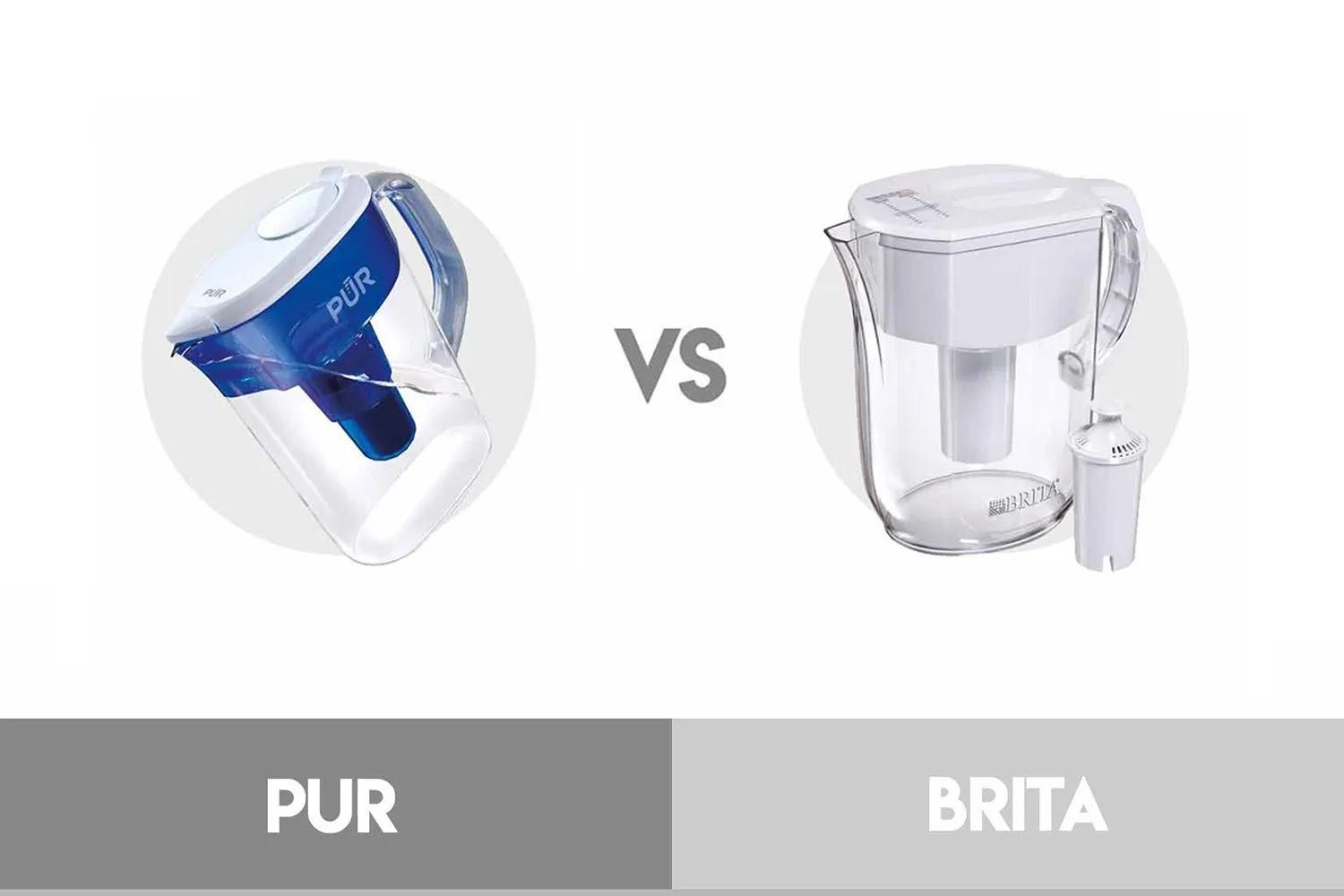
Water is essential for life, but not all tap water is created equal. With increasing concerns about contaminants like lead, chlorine, and other impurities, choosing the right water filter has never been more important. Two of the most popular brands in the market are Brita and PUR. Both promise cleaner, safer water, but which one truly delivers? In this article, Deep Dive Picks explores the brita vs pur debate, highlighting how each filter performs, what contaminants they remove, and which might be the better choice for your home.
How Brita and PUR Filters Work
Understanding how these filters function helps explain why they remove different amounts of contaminants.
Brita Filtration Technology
Brita water filters use activated carbon and an ion exchange resin. The activated carbon is effective at reducing chlorine, improving taste, and removing some organic contaminants. The ion exchange resin helps reduce metals like copper, mercury, and cadmium, but its effect on minerals like calcium and magnesium is minimal. This means Brita retains beneficial minerals, which can give water a more natural taste.
PUR Filtration Technology
PUR filters take filtration a step further. In addition to activated carbon, PUR uses a more advanced ion exchange system that significantly reduces heavy metals, including lead. This system also lowers calcium and magnesium levels, which can soften water but may affect its natural mineral content. PUR filters are known for removing a broader range of contaminants than Brita, making them ideal for households concerned about heavy metals.
Contaminant Removal Comparison: Brita vs Pur
One of the most important factors when comparing Brita vs Pur is how effectively each filter removes harmful substances from water.
Heavy Metals
- PUR: Reduces lead, mercury, and other heavy metals significantly, making it a top choice for families worried about toxic elements.
- Brita: Removes some heavy metals, but less effectively than PUR.
Chlorine and Taste
- Brita: Excels at improving taste and odor by removing chlorine, giving water a cleaner, fresher flavor.
- PUR: Also removes chlorine, but taste improvement is often slightly less noticeable compared to Brita.
Minerals
- Brita: Retains beneficial minerals like calcium and magnesium, which contribute to water’s natural flavor and health benefits.
- PUR: Reduces mineral content, which can slightly alter the taste and result in softer water.
Other Contaminants
- PUR: Removes pesticides, industrial pollutants, and certain pharmaceuticals more effectively than Brita.
- Brita: Effective for basic household contaminants but less comprehensive for advanced pollutant removal.
Filter Lifespan and Replacement Costs
Another key consideration in the Brita vs Pur debate is the filter lifespan and cost.
- Brita Filters: Typically last up to 40 gallons (about two months for an average household) and are generally more affordable. Replacement filters are easy to find in stores and online.
- PUR Filters: Last slightly less, around 30 gallons, but offer more extensive contaminant removal. They tend to be more expensive than Brita replacements.
This difference may influence whether you prioritize long-term cost savings or advanced filtration performance.
Real-Life Example: Lead Contamination
Consider a scenario where a family’s tap water shows trace amounts of lead. In this case, a PUR filter could remove up to 99% of lead, reducing health risks for children and adults alike. Meanwhile, a Brita filter would reduce lead but not as comprehensively. However, if the main concern is chlorine taste, Brita may provide a more enjoyable drinking experience while still offering basic protection.
Taste and Drinking Experience
Taste is subjective, but it matters when encouraging regular hydration.
- Brita: Water often tastes smoother and more natural due to retained minerals.
- PUR: Water is cleaner in terms of contaminants but may taste slightly “flat” because it removes more minerals.
Many consumers prefer Brita for drinking water directly, while PUR is often chosen for cooking or making beverages where maximum contaminant removal is desired.
Environmental Considerations
Both Brita and PUR produce waste from used filters, but some differences exist:
- Brita: Offers filter recycling programs in many areas, and longer filter life reduces overall waste.
- PUR: Has more frequent replacements due to higher filtration capacity, generating more waste over time.
Choosing the right filter may also depend on your environmental priorities.
Which Filter is Better for Your Home?
Deciding between Brita vs Pur depends on your priorities:
- Choose Brita if: You want better-tasting water, want to retain beneficial minerals, and prefer longer-lasting, more affordable filters.
- Choose PUR if: You are concerned about heavy metals, industrial pollutants, or want the most comprehensive contaminant removal.
In many cases, families may use both filters for different purposes—Brita for drinking and PUR for cooking or baby formula.
Tips for Maximizing Your Water Filter
Regardless of your choice, proper use is essential:
- Replace filters on schedule: Follow manufacturer guidelines to maintain effectiveness.
- Clean pitchers regularly: Prevent bacterial growth by washing with warm, soapy water.
- Check water quality reports: Local reports can guide which filter best suits your area.
- Combine filtration with safe storage: Always store filtered water in clean containers.
These simple steps can ensure you get the best taste and safety from your water.
Cost and Convenience Comparison
Here’s a quick overview of Brita vs Pur in terms of practical use:
FeatureBritaPURFilter LifeLonger (40 gallons)Shorter (30 gallons)Replacement CostAffordableHigherTasteSmootherSlightly flatContaminant RemovalModerateExtensiveMineral RetentionYesReduced
This comparison can help you weigh convenience against filtration performance.
Comparing Everyday Use in the Brita vs Pur Debate
When families think about brita vs pur, they often focus on daily convenience. In real-life use, the brita vs pur comparison shows how each pitcher performs when refilling multiple times a day. Some users notice that the brita vs pur choice impacts how quickly filters slow down because PUR filters work harder to remove more contaminants. Others feel that in the brita vs pur discussion, Brita wins for simplicity and longer-lasting filters. These practical differences help households understand how brita vs pur performance changes with regular, everyday use.
Customer Preferences in the Brita vs Pur Market
Many buyers compare brita vs pur based on factors such as taste, clarity, and long-term cost. Reviews reveal that the brita vs pur decision often comes down to whether someone values taste over deeper filtration. Consumers who participate in brita vs pur surveys frequently point out that Brita tastes cleaner, while PUR offers stronger filtration. These insights show how households approach the brita vs pur choice depending on their lifestyle. Over time, customers sharing their brita vs pur experiences help new buyers make informed decisions.
Health and Safety Considerations in the Brita vs Pur Choice
Parents and health-focused buyers often analyze brita vs pur from a safety perspective. Research shows that the brita vs pur comparison becomes even more important for families living in older homes with possible lead exposure. When people evaluate brita vs pur for health reasons, they look closely at PUR’s heavy-metal removal versus Brita’s ability to retain healthy minerals. For many, the brita vs pur decision is not only about preference but also long-term wellness. These health concerns highlight why brita vs pur remains one of the most talked-about water filter comparisons today.
Summary: Brita vs Pur
- Brita: Better taste, retains minerals, longer filter life, lower replacement cost.
- PUR: Removes more contaminants, especially heavy metals, softer water, slightly shorter filter life.
Ultimately, the best choice depends on your household priorities. If taste and minerals matter most, Brita is a strong option. If contaminant removal is your top concern, PUR is the better choice. Explore featured stories and top recommendations on the main page.
FAQs
What is the main difference between Brita and PUR?
The main difference is in contaminant removal. PUR filters remove more heavy metals and pollutants, while Brita filters focus on taste and retaining beneficial minerals.
Which filter is better for drinking water taste?
Brita usually offers a better taste because it retains minerals like calcium and magnesium, making water smoother and more natural.
How often should I replace Brita and PUR filters?
Brita filters typically last about 40 gallons, while PUR filters last about 30 gallons. Always follow the manufacturer’s recommendations for optimal performance.