Understanding Brain Tumors and Their Types
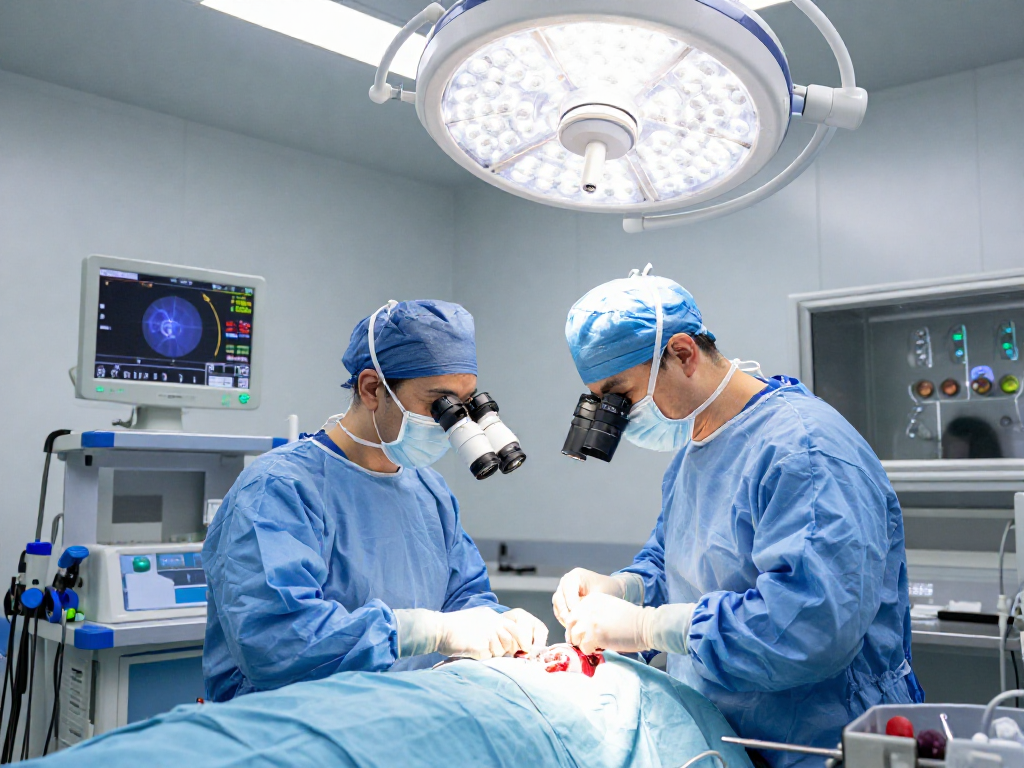
Brain tumor surgery, a critical intervention for managing both benign and malignant brain tumors, plays a pivotal role in modern neuro-oncology. With the advent of advanced surgical techniques and technologies, including micro-surgery and neuronavigation systems, the surgical removal of brain tumors has become increasingly safe and effective. This article aims to provide a comprehensive overview of brain tumor surgery, particularly focusing on the most common types of tumors, surgical processes, postoperative care, and financial considerations.
What is a Brain Tumor?
A brain tumor is a mass of abnormal cells in the brain. Tumors can be classified into primary tumors, those that originate in the brain, and secondary tumors, which spread from other parts of the body (metastatic tumors). The nature of the tumor, whether benign (non-cancerous) or malignant (cancerous), significantly influences treatment options and prognosis. Understanding the different types of brain tumors is essential for effective management and treatment.
Types of Brain Tumors: Meningiomas and Gliomas
Among the various types of brain tumors, meningiomas and gliomas are the most prevalent. Meningiomas arise from the meninges, the protective membranes covering the brain and spinal cord, and are often benign and slow-growing. Gliomas, originating from glial cells, can range from low-grade (slow-growing) to high-grade (fast-growing) tumors, with Glioblastoma Multiforme (GBM) being the most aggressive form.
Planning for Brain Tumor Surgery
Before undergoing surgery, patients should have thorough consultations and diagnostic testing to develop an effective treatment plan. This planning phase is crucial in ensuring the best possible outcomes. For detailed guidance regarding your specific situation, resources can be found on the beyin tümörü ameliyatı page.
Initial Consultation and Diagnostic Tests
The initial consultation typically involves a detailed medical history, neurological examination, and imaging studies such as MRI or CT scans. These evaluations help in determining the tumor's location, size, and effects on surrounding brain structures, guiding the surgical approach.
Choosing the Right Surgical Technique
Selection of the surgical technique depends on various factors, including tumor type, location, size, and the patient's overall health condition. Options may include traditional craniotomy, minimally invasive techniques, or awake craniotomy for tumors located near critical brain functions.
Preparing for the Surgical Procedure
Preparation for surgery includes managing any pre-existing medical conditions, possibly reducing medications, and providing patient education about the procedure. In some cases, corticosteroids may be administered to reduce brain swelling.
The Surgical Process of Brain Tumor Removal
The surgical removal of brain tumors involves several steps, each critical for ensuring a successful outcome. Surgeons employ various intraoperative techniques to enhance precision and safety.
Steps of Meningioma Surgery
Meningioma surgery generally involves a craniotomy, where a section of the skull is removed to access the tumor. The area surrounding the tumor is carefully evaluated using neuro-navigation and imaging techniques to minimize damage to healthy tissue.
Intraoperative Techniques: Neuro-navigation and Monitoring
Advanced neuro-navigation systems provide real-time guidance during surgery, allowing surgeons to navigate complex brain anatomy accurately. Additionally, intraoperative monitoring helps protect critical functions by providing feedback on the patient's neurological status during the procedure.
Expected Duration and Recovery from Surgery
The duration of brain tumor surgery varies but typically lasts several hours, depending on the complexity of the case. Postoperative recovery may require monitoring in a hospital for a few days, with ongoing assessments to ensure proper healing and function.
Postoperative Care and Recovery
Post-surgery, patients require comprehensive care and ongoing monitoring to assess recovery progress. Proper postoperative care is essential for a successful recovery and minimizing complications.
Monitoring and Follow-up after Surgery
Regular follow-up appointments post-surgery are critical. These may involve imaging studies to evaluate tumor removal effectiveness and to monitor for any potential recurrence.
Managing Risks and Complications
As with any surgical procedure, brain tumor surgery carries risks, including infection, bleeding, and neurological deficits. Healthcare providers will discuss these risks with patients before the surgery and outline procedures for managing them.
Rehabilitation and Long-term Outcomes
Rehabilitation may involve physical, occupational, and speech therapy to help patients regain lost functions and adapt. The long-term outcome largely depends on the type and grade of the tumor, the success of the surgery, and overall health status.
Cost Considerations and Insurance for Brain Tumor Surgery
The financial implications of brain tumor surgery can be significant. Patients should understand the costs involved and explore insurance coverage options to alleviate financial burdens.
Understanding the Financial Aspects of Surgery
Costs can vary widely based on the type of surgery, hospital, and location. Patients should ensure they discuss all potential costs during the initial consultation.
Insurance Coverage for Procedures
Most health insurance plans cover the surgical removal of brain tumors, although coverage specifics can differ. Patients should verify their coverage details and inquire about any out-of-pocket expenses they may incur.
Resources and Financial Aid for Patients
Various resources and financial aid programs may help alleviate costs associated with brain tumor surgery. Patients can consult their healthcare provider or social worker for guidance on available options.
What are the risks associated with brain tumor surgery?
Risks of brain tumor surgery include neurological deficits ranging from minor to severe, infection, seizures, and complications from anesthesia. Proper preoperative assessment and monitoring can help mitigate these risks.
How long does recovery take after brain tumor surgery?
Recovery duration varies based on the individual's health and the type of surgery performed, ranging from weeks to months for full recovery.
What can patients expect during the rehabilitation process?
Patients may undergo various forms of rehabilitation, including physical therapy to regain mobility, speech therapy if language functions were affected, and cognitive rehabilitation to address any learning or memory issues.
Are there alternative treatments to surgery for brain tumors?
While surgery is the primary treatment for many brain tumors, alternative treatments such as radiation therapy, chemotherapy, and targeted therapies may also be effective, especially for inoperable tumors.
What are the latest advancements in brain tumor surgery?
The field of neuro-oncology is continuously evolving, with advancements in surgical techniques, imaging technology, and postoperative care contributing to improved outcomes for patients with brain tumors. For more information, beyin tümörü ameliyatı offers valuable insights. Innovations such as robotic surgery and enhanced imaging modalities are at the forefront of this evolution.